AI image generation model
Tongyi-MAI
Z-Image

Z-Image

Kyeo AI's Z-Image workflow is a low-cost, streamlined text-to-image option. Each request costs 1 credit, prompts can contain up to 1,000 characters, and 5 aspect ratios are available. The workflow does not accept image input or provide editing; its small control set describes the interface, not an output-quality tier.

Capability
Text-to-Image
Credit cost
1 credit per request
Prompt limit
1,000 characters
Upload limit
Not applicable (no image input)
The Kyeo AI workflow is text-to-image only, with no image input or editing mode.
The interface provides a prompt and `aspect_ratio`, with 5 common ratio choices.
Prompts can contain up to 1,000 characters, so the main requirements need to be clear.
Each request currently costs a fixed 1 credit, with no separate quality or price tiers.
30-second overview
Z-Image
1 credit per request
What it does best
On Kyeo AI, Z-Image is a streamlined text-to-image option. The interface does not expose image input, editing, references, or quality tiers. Choose it by the inputs and controls your task needs, rather than assuming the result is limited to a draft or guaranteed to be final-ready.
Best for
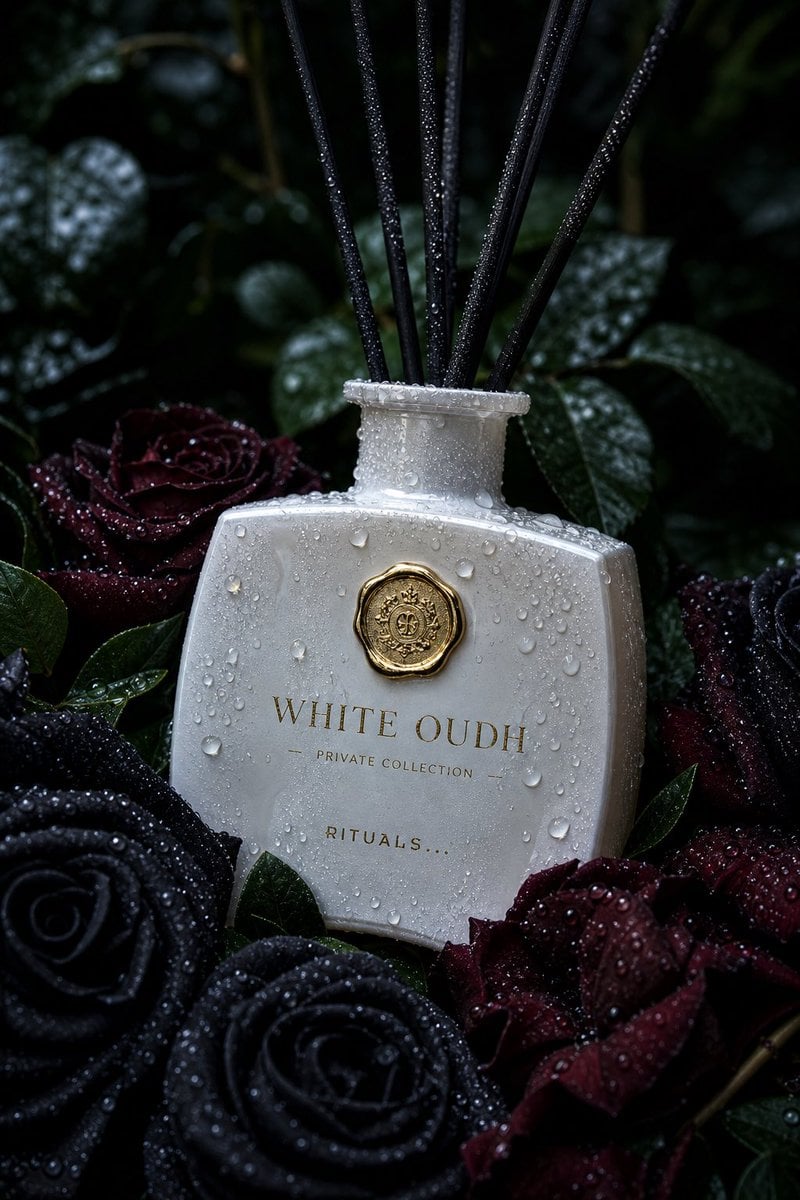
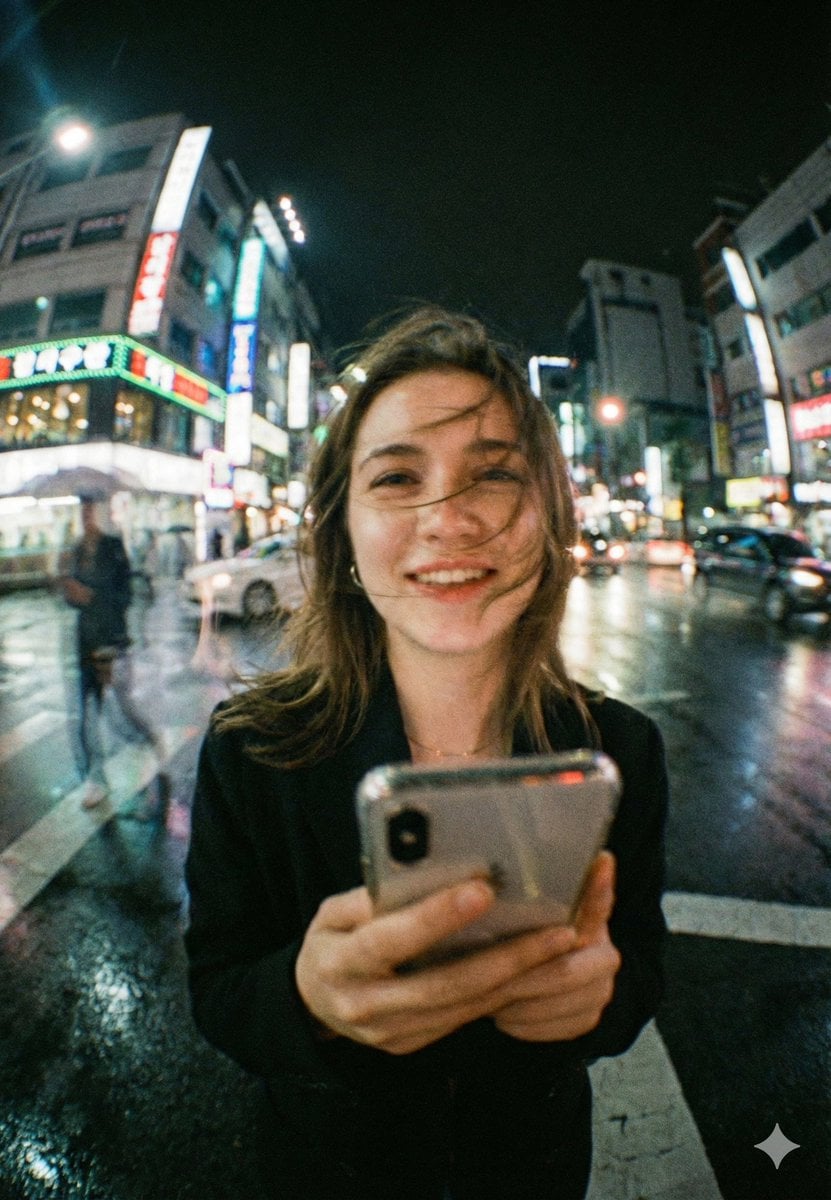
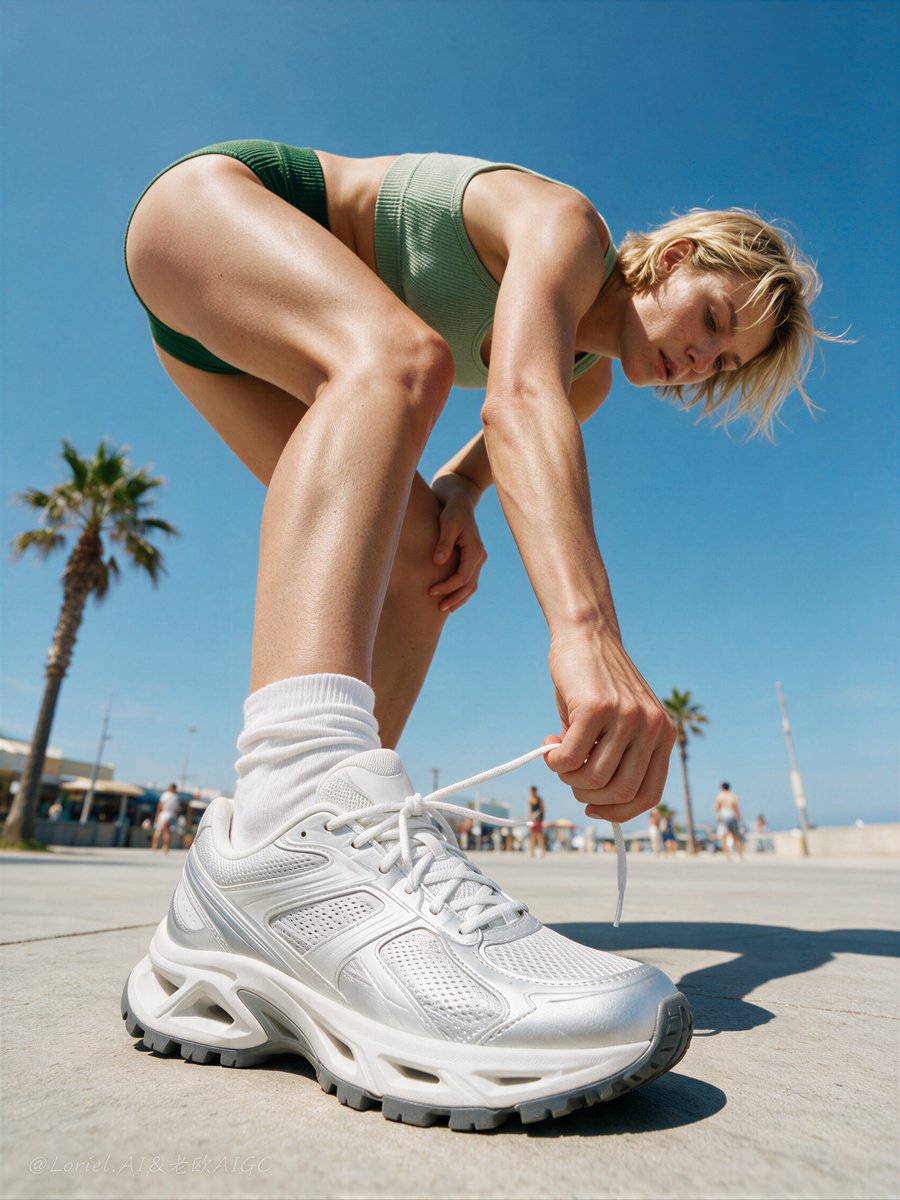
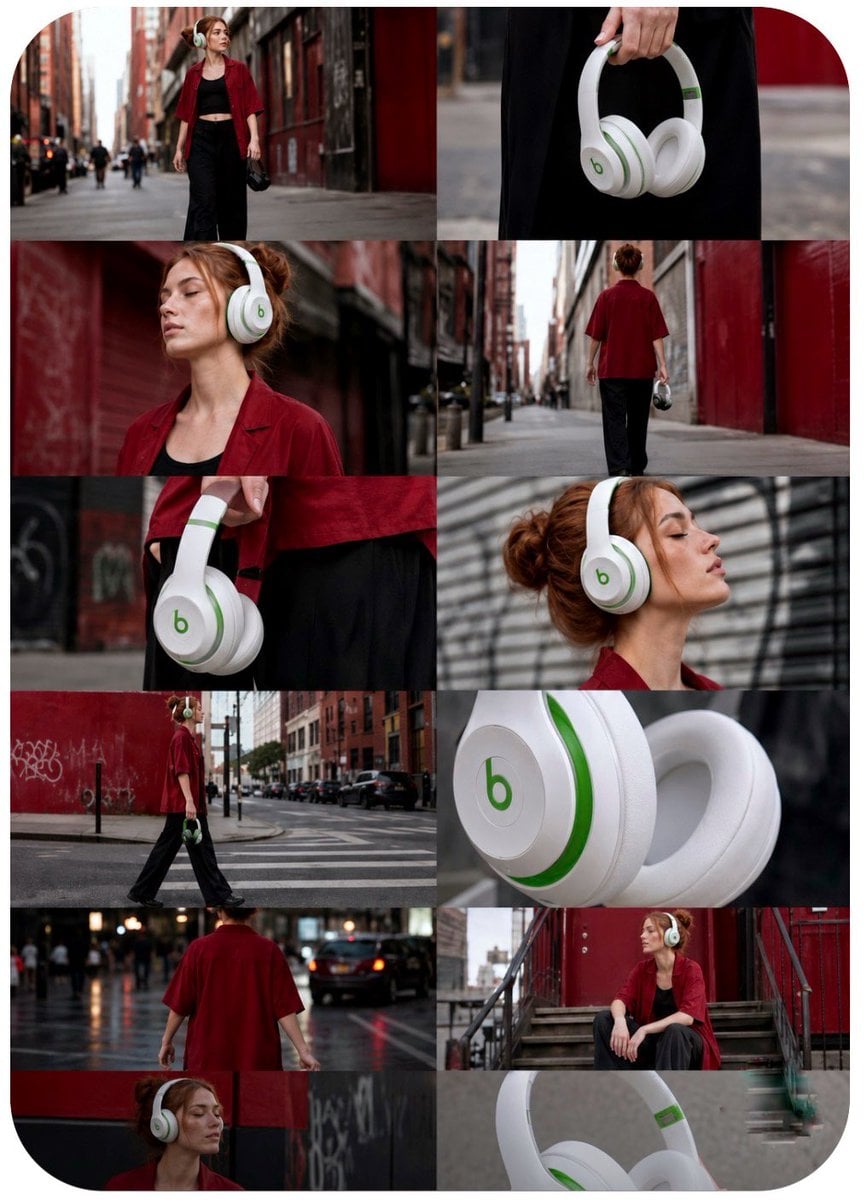
It suits prompt-driven covers, social images, poster concepts, and visual-style exploration, as well as individuals or teams that want to try several prompts at a fixed per-request cost.
Popular searches
How to use Z-ImageHow much does Z-Image cost on Kyeo AIZ-Image 1-credit image generation

At a glance

What is this model like?

Choose Z-Image when you want to create a new image directly from text with a predictable cost. For existing-image edits, multiple references, or resolution tiers, compare a workflow that exposes those controls.

What it does best
On Kyeo AI, Z-Image is a streamlined text-to-image option. The interface does not expose image input, editing, references, or quality tiers. Choose it by the inputs and controls your task needs, rather than assuming the result is limited to a draft or guaranteed to be final-ready.
Best for
It suits prompt-driven covers, social images, poster concepts, and visual-style exploration, as well as individuals or teams that want to try several prompts at a fixed per-request cost.
Why use it on Kyeo AI
Kyeo AI makes the scope explicit: a prompt plus `aspect_ratio`, a 1,000-character prompt limit, 5 ratio choices, and a fixed 1-credit charge. You can confirm both the input boundary and the cost before generating.

Key facts

Quickly assess whether this model matches your workflow.

Category
AI image generation model
Developer
Tongyi-MAI
Model family
Z-Image
Integration
Current site integration
Platform model ID
z-image
Runtime
Asynchronous task
Prompt limit
1,000 characters
Upload limit
Not applicable (no image input)

Also known as

The same model may appear under different names across documentation and community discussions; this list keeps them easy to search and compare.

z-image
Z Image
ZImage

Common search intents

These questions and keywords combine public references with common creative use cases to help you choose faster.

How to use Z-Image
How much does Z-Image cost on Kyeo AI
Z-Image 1-credit image generation
What is the Z-Image prompt limit
Does Z-Image support image-to-image editing
Which aspect ratios does Z-Image support
What tasks is Z-Image suited to
Z-Image vs Nano Banana
Z-Image vs GPT Image 1.5
Can Z-Image edit an uploaded image

Selection guide

Use these decision points when choosing a model.

1
Use it for text-only image generation

Choose Z-Image when the task does not require an existing image, references, editing, or quality tiers. The small input set and fixed per-request cost make the choice straightforward.

2
Compare other models for edits or references

If the task requires editing an existing image, preserving a reference subject, or choosing a resolution or quality tier, compare Nano Banana, GPT Image 1.5, or Flux 2 Flex first.

3
Start with a clear prompt

Choose the target ratio, then write one prompt that covers the subject, scene, composition, and style. Refine it from the actual result, and switch models only when you need a control this workflow does not provide.

Popular comparisons

Common comparison questions help you find the practical differences quickly.

How do Z-Image and Nano Banana differ in image input and price?
Which should I use for text-only generation: Z-Image or Nano Banana?
How do Z-Image and GPT Image 1.5 differ in editing controls?
When is GPT Image 1.5 a better fit than Z-Image?
How do Z-Image and Flux 2 Flex compare on resolution controls and price?
Which tasks need Flux 2 Flex rather than Z-Image?

Model comparison

Compare the current model with alternatives at a glance.

Dimension
Z-Image
Nano Banana
GPT Image 1.5
Role on Kyeo AI
Low-cost text-to-image generation
Supports both text generation and image editing
Supports generation, editing, and quality tiers
Workflow
Text-to-Image only
Text-to-Image and image editing
Prompt limit
1,000 characters
5,000 characters
Better suited to detailed editing instructions
Current price
Fixed at 1 credit per request
Fixed at 3 credits per request
14–24 credits per request
When to use it
Creating a new image from text only
When image editing or quality tiers are required
When generation and editing belong in one workflow

Practical usage insights

Practical observations based on real creative workflows.

A small control set does not imply low output quality

Kyeo AI exposes only a prompt and aspect ratio. That describes the interface, not a draft-only quality tier. Judge whether a result is usable from the prompt and generated image, not from the number of controls.

Assess price and workflow separately

The fixed 1-credit price reduces the cost of each attempt, but it does not answer whether the workflow fits. Confirm that text-to-image is enough, then decide from the result whether to iterate or use a model with editing, references, or quality tiers.

Capabilities

Text-to-Image only

Reference-image upload and image editing are not available, and other variants in the official Z-Image family are outside this page's scope.

5 aspect ratios

Choose 1:1, 4:3, 3:4, 16:9, or 9:16 for square, landscape, or portrait composition. The interface does not provide a separate pixel-size or quality control.

Clear prompt and pricing limits

Prompts can contain up to 1,000 characters, and each request costs a fixed 1 credit. The price does not vary by aspect ratio, quality, or resolution in the current workflow.

Use cases

Concept sketches

Use a text prompt to test a subject, setting, composition, and visual style, then adjust the wording from the actual result.

Covers and social images

Generate article covers, short-video thumbnails, and social images in ratios such as 1:1, 16:9, or 9:16. Decide whether to publish the image only after reviewing the actual output.

Prompt and composition exploration

Compare themes, compositions, or style descriptions one request at a time with a predictable cost. The current page does not provide a batch-generation control.

Prompt tips

Structure the prompt by priority

Within the 1,000-character limit, state the subject, scene, composition, lighting, and style in that order. Put essential requirements first and avoid conflicting modifiers.

Choose the output ratio first

Match the aspect ratio to the intended placement before submitting. This interface does not provide an outpainting or post-generation reframing control.

Specify and verify visible text

If the image needs text, provide the exact wording, language, placement, and style. Always review spelling, letterforms, and layout in the result instead of treating generated text as final without proofreading.

Strengths

A fixed 1-credit price makes the cost clear before generation.
The workflow requires only a prompt and aspect ratio.
5 ratios cover common square, landscape, and portrait compositions.
The 1,000-character allowance is sufficient for a well-structured scene description.

Limitations

The current workflow is text-to-image only; it cannot accept a reference or edit an existing image.
The 1,000-character prompt limit requires long or highly constrained briefs to be condensed.
The interface does not expose resolution, quality, seed, or negative-prompt controls.
Visible text, fine details, and subject consistency still require human review; a low price does not remove the need for quality checks.

Adjustable parameters

Quickly assess whether this model matches your workflow.

Aspect ratio
aspect_ratio
Optional
Parameter type: Select
Default: 1:1
1:1
4:3
3:4
16:9
9:16

Credit usage

1 credit per request

Each Z-Image generation currently costs a fixed 1 credit on Kyeo AI.

Budget tip

Before batch generation, run an A/B test with the same assets across the current model and alternatives to validate quality and avoid wasting credits.

FAQ

Related models

Compare these similar candidates before deciding.

Nano Banana

Nano Banana, also known as Gemini 2.5 Flash Image, provides text-to-image generation and natural-language editing on Kyeo AI. Requests without images use `google/nano-banana`; requests with images use `google/nano-banana-edit`. Both paths cost 3 credits and accept prompts up to 5,000 characters.

AI image generator and editor
3 credits per request

GPT Image 1.5

GPT Image 1.5 supports generation and editing on Kyeo AI. Text-only requests use `gpt-image/1.5-text-to-image`; attaching references switches to `gpt-image/1.5-image-to-image`. Kyeo exposes 3 aspect ratios and `medium / high` tiers at 4 / 22 credits. OpenAI now marks GPT Image 1.5 as a deprecated previous model, so new work should also benchmark a current model such as GPT Image 2.

AI image model
4-22 credits / request

Flux 2 Flex

Flux 2 Flex supports prompt-only generation and editing with up to eight images on Kyeo. A request without images uses `flux-2/flex-text-to-image`; an upload switches it to `flux-2/flex-image-to-image`. Seven fixed aspect ratios and 1K or 2K output are available for 14 or 24 credits per request.

AI image model
14–24 credits per request

Sources

Content is based on model documentation, feature references, and the settings available on Kyeo AI.

Source notes

Kyeo currently uses `z-image` for text-to-image generation; the interface exposes a prompt and `aspect_ratio`, accepts up to 1,000 prompt characters, offers 5 ratios, and charges 1 credit per request. Other generation and editing variants listed by the official repository are not necessarily available through this page.

Last reviewed: 2026-07-20
Tongyi-MAI / Z-Image GitHub
Official
View source
Z-Image Technical Report (arXiv)
Official
View source
Upstream interface documentation: Z-Image
Platform

Kyeo AI exposes the prompt and `aspect_ratio` controls. Technical identifiers: `z-image`.

Kyeo AI pricing configuration
Platform

The current model configuration sets `costPoints` to 1, so the page displays 1 credit per request.

Kyeo AI model configuration
Platform

The current model ID is z-image and supports text-to-image generation; the prompt limit, ratio options, and visible controls come from Kyeo AI's configuration.