
Image template
Free to view, copy, and apply; generation uses credits
Featured
Grumpy Childhood 3D Character from a Reference Person
Start with the recommended models, use cases, and steps, then decide how to apply the template directly.
Official template0 views
Scene Photography
3D and Illustration
3D Render
Anime Style
Character
Surreal
Dreamy
Isometric
Template type
Image template
Usage access
Free to view, copy, and apply; generation uses credits
Created
06/15/2026
Rating
No ratings yet
Template overview
These templates work best when you keep the visual structure, then replace the subject, style, or commercial goal. Start with Flux 2 Pro, then switch to a similar alternative based on the result.
Recommended models
If you are unsure which model to use first, start with one of the author's recommendations.
Flux 2 Pro
Google Imagen4
Prompt
Start with the recommended models, use cases, and steps, then decide how to apply the template directly.
Create a super-cute, hyper-realistic 3D render of a toddler girl as a younger version of the person in the provided reference photo. Make the facial structure strongly match the reference image. Accurately reproduce the eye shape, eye color, skin tone, lip shape, nose structure, cheek fullness, eyebrow shape, and overall facial proportions. Ensure the toddler clearly resembles the same person at a younger age while retaining realistic childlike softness and rounded features. If an earring or similar accessory appears in the reference image, reproduce its size, color, and placement precisely. Expression: Make her distinctly grumpy and pouty. Rest her chin on her left palm, slightly squint one eye in mild annoyance, gently furrow her eyebrows, and push her lips forward in a stubborn pout. Keep the expression natural and believable rather than exaggerated. Hair: Adapt the reference hairstyle into a toddler-appropriate messy high bun, with soft, natural baby hairs framing the face. Outfit: Layer classic blue denim overalls with visible stitching and metal clasps over a white short-sleeve T-shirt. Pose and background: Seat her cross-legged against a clean white studio background, with her feet angled slightly toward the camera. Keep the composition balanced and show her full body. Style and quality: Use an ultra-detailed, Pixar/Disney-inspired 3D animation aesthetic, professional CGI rendering, a 1:1 aspect ratio, 8K resolution, sharp focus, cinematic studio lighting, soft subsurface scattering on the skin, smooth textures, realistic fabric physics, soft global illumination, and natural shadow falloff.
How to use it
Following this sequence usually produces a usable result faster than copying the prompt without a plan.
1
Start with a recommended model
If you do not have a preference, starting with Flux 2 Pro is usually a reliable choice.
2
Keep the structure, replace the details
Preserve composition, lighting, materials, and style, then replace the subject, brand information, and use case.
3
Compare at least 2 or 3 results
Image templates are most valuable when they speed up iteration, so do not judge the direction from a single result.
Template details
Quickly decide whether this template fits your current task.
Template type
Image template
Usage access
Free to view, copy, and apply; generation uses credits
Created
06/15/2026
Rating
No ratings yet
Best for
This template works especially well for the following tasks.
Posters and covers
Useful for event graphics, social covers, campaign posters, and key visuals.
Product and brand images
Useful for ecommerce main images, brand visuals, and product variations.
Character and style exploration
Create samples for characters, illustrations, scenes, and style directions.
Recommended models
If you are unsure which model to use first, start with one of the author's recommendations.
Flux 2 Pro
IMAGE
These templates work best when you keep the visual structure, then replace the subject, style, or commercial goal. Start with Flux 2 Pro, then switch to a similar alternative based on the result.
Google Imagen4
IMAGE
These templates work best when you keep the visual structure, then replace the subject, style, or commercial goal. Start with Flux 2 Pro, then switch to a similar alternative based on the result.
Related templates
Compare templates of the same type to find the prompt direction that fits you best.
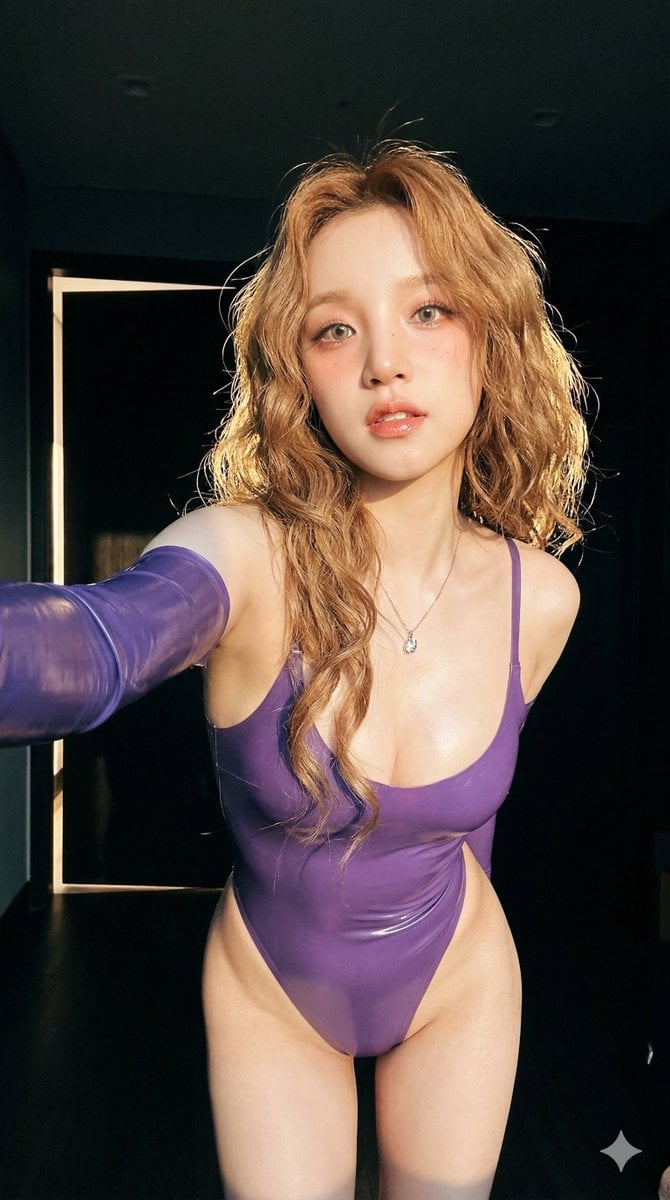
Image template
Featured
(G)I-DLE Yuqi Golden-Light Fashion Selfie
No ratings yet
Scene Photography
Realistic Photography
Cinematic
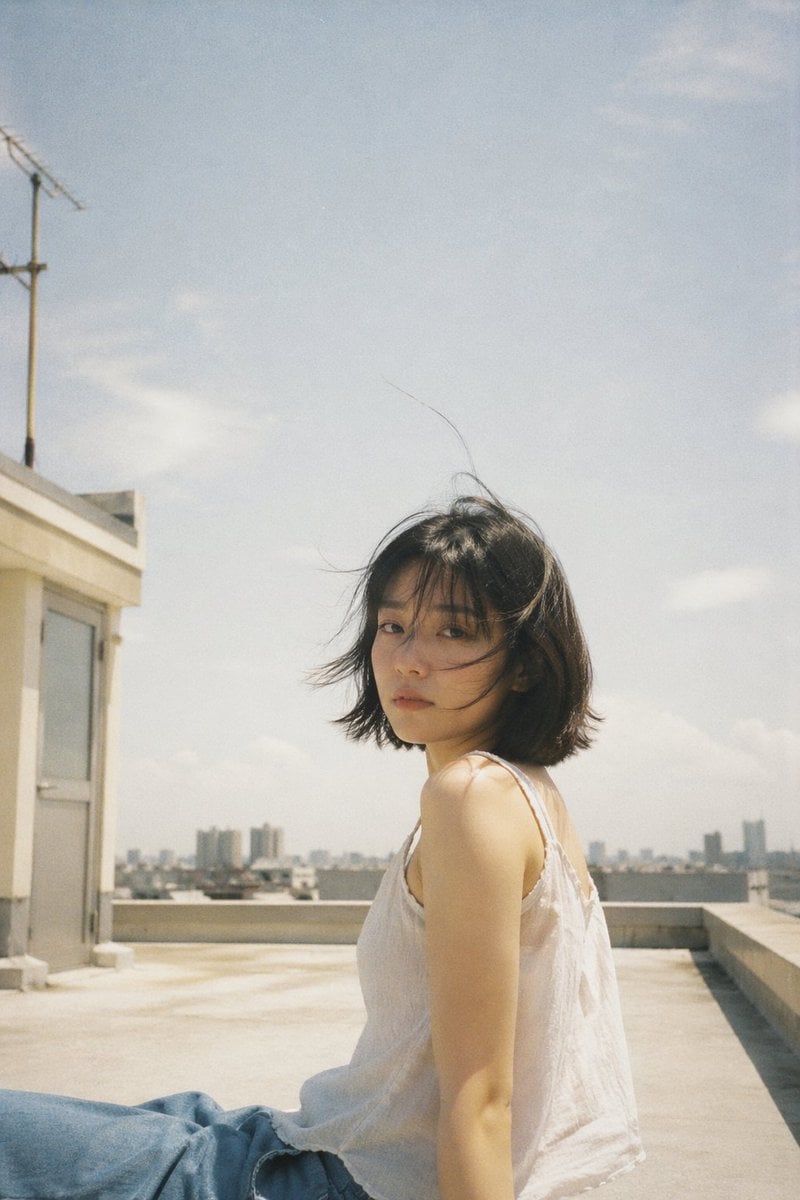
Image template
Featured
Japanese Negative-Film Rooftop Summer Portrait
No ratings yet
Portrait Photography
Realistic Photography
Cinematic
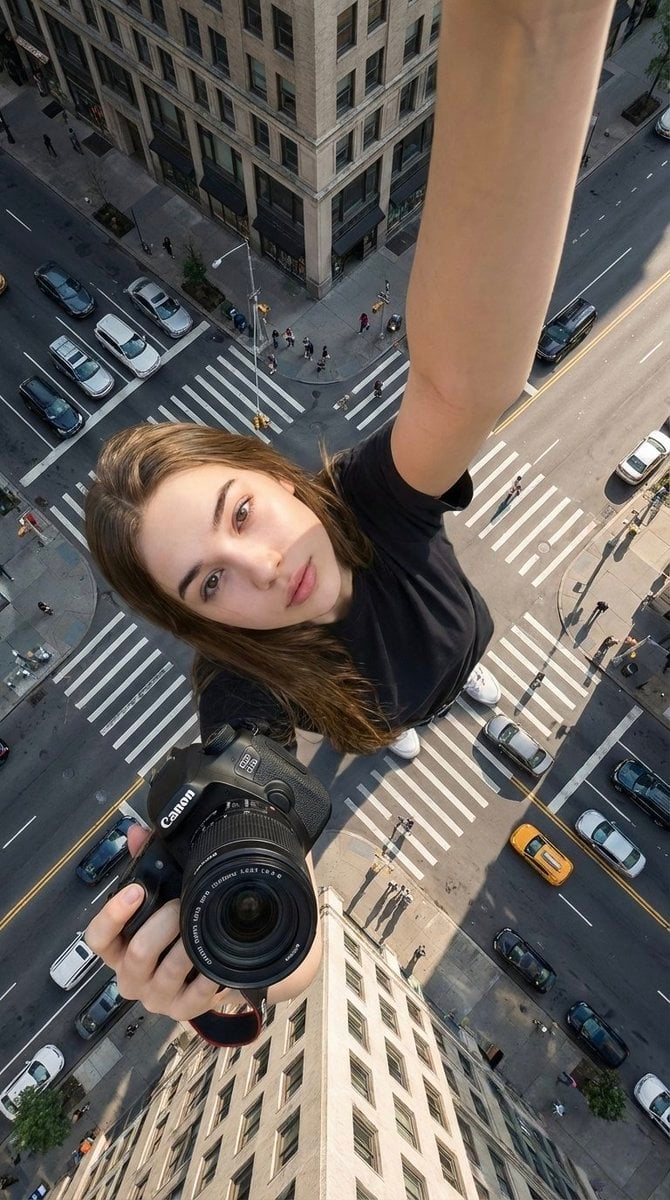
Image template
Featured
Canon Product Giant Selfie
No ratings yet
Portrait Photography
Realistic Photography
Cinematic
Ratings and feedback
No ratings yet
Please sign in first