Image template
Free to view, copy, and apply; generation uses credits
Featured
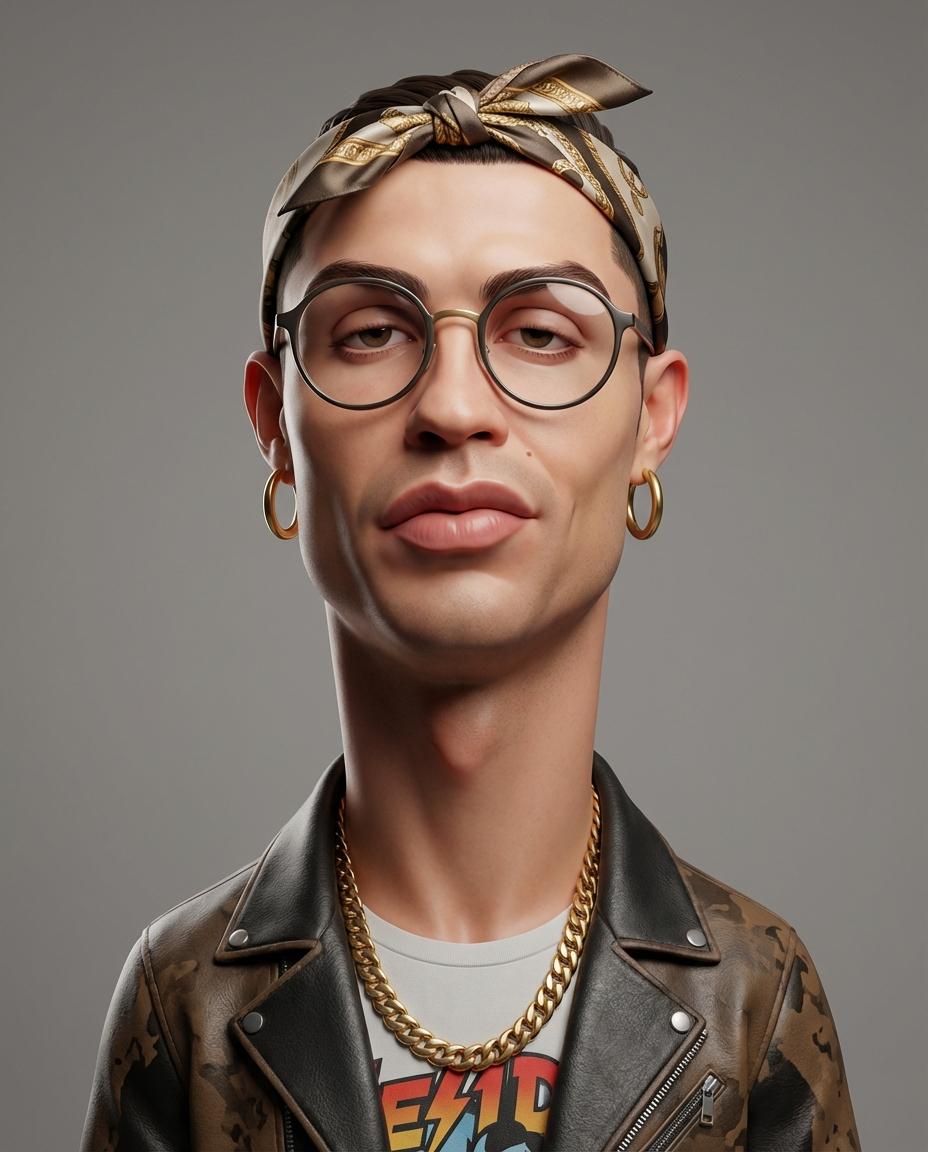
Exaggerated 3D Character Portrait from a Reference Person
Start with the recommended models, use cases, and steps, then decide how to apply the template directly.
Official template1 views
3D and Illustration
Portrait Photography
3D Render
Anime Style
Character
Surreal
Dreamy
Isometric
Template type
Image template
Usage access
Free to view, copy, and apply; generation uses credits
Created
06/15/2026
Rating
No ratings yet
Template overview
These templates work best when you keep the visual structure, then replace the subject, style, or commercial goal. Start with Flux 2 Pro, then switch to a similar alternative based on the result.
Recommended models
If you are unsure which model to use first, start with one of the author's recommendations.
Flux 2 Pro
Nano Banana 2
Prompt
Start with the recommended models, use cases, and steps, then decide how to apply the template directly.
Use the person in the ATTACHED REFERENCE PHOTO to create an exaggerated, stylized 3D caricature character portrait. Emphasize strong, intentional deformation while maintaining a clean, controlled surface finish. Preserve the subject's identity, facial likeness, skin tone, and defining features, but reshape them into a bold caricatured 3D form with an elongated neck, an oversized head-to-neck ratio, droopy eyelids, heavy lips, and a slightly asymmetrical facial structure. Render a human-like 3D character with smooth, studio-clean skin and deliberately designed details, avoiding random texture or noise. The styling may include round or oval glasses, hoop earrings, gold chains, headscarves or bandanas, and street-luxury clothing. Use neutral studio lighting, soft shadows, even illumination, and no dramatic contrast. Set the character against a plain neutral-gray or off-white background. Keep the overall aesthetic weird, fashion-forward, collectible, and character-driven rather than cute or realistic. Deliver ultra-high definition, premium cinematic 3D render quality, hyper-realistic rendering, and clean materials. Preserve these negative constraints: no freckles, no dirt, no grain, no noise, no speckling, no text, no logos, no watermarks. Aspect ratio: 4:5.
How to use it
Following this sequence usually produces a usable result faster than copying the prompt without a plan.
1
Start with a recommended model
If you do not have a preference, starting with Flux 2 Pro is usually a reliable choice.
2
Keep the structure, replace the details
Preserve composition, lighting, materials, and style, then replace the subject, brand information, and use case.
3
Compare at least 2 or 3 results
Image templates are most valuable when they speed up iteration, so do not judge the direction from a single result.
Template details
Quickly decide whether this template fits your current task.
Template type
Image template
Usage access
Free to view, copy, and apply; generation uses credits
Created
06/15/2026
Rating
No ratings yet
Best for
This template works especially well for the following tasks.
Posters and covers
Useful for event graphics, social covers, campaign posters, and key visuals.
Product and brand images
Useful for ecommerce main images, brand visuals, and product variations.
Character and style exploration
Create samples for characters, illustrations, scenes, and style directions.
Recommended models
If you are unsure which model to use first, start with one of the author's recommendations.
Flux 2 Pro
IMAGE
These templates work best when you keep the visual structure, then replace the subject, style, or commercial goal. Start with Flux 2 Pro, then switch to a similar alternative based on the result.
Nano Banana 2
IMAGE
These templates work best when you keep the visual structure, then replace the subject, style, or commercial goal. Start with Flux 2 Pro, then switch to a similar alternative based on the result.
Related templates
Compare templates of the same type to find the prompt direction that fits you best.
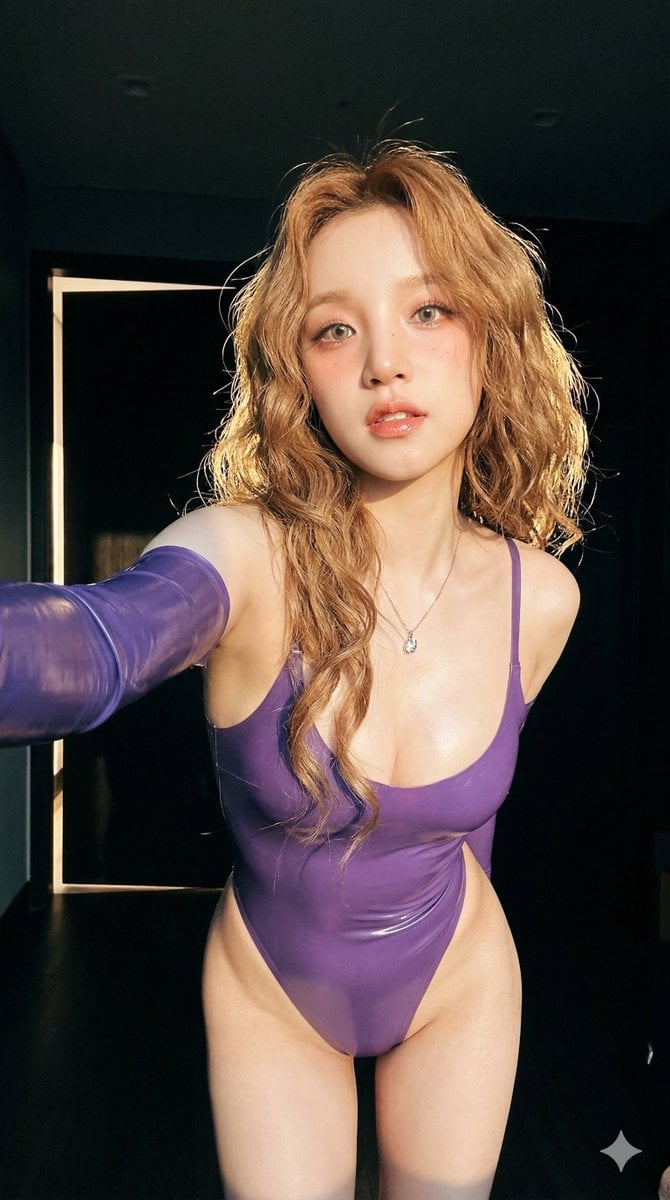
Image template
Featured
(G)I-DLE Yuqi Golden-Light Fashion Selfie
No ratings yet
Scene Photography
Realistic Photography
Cinematic
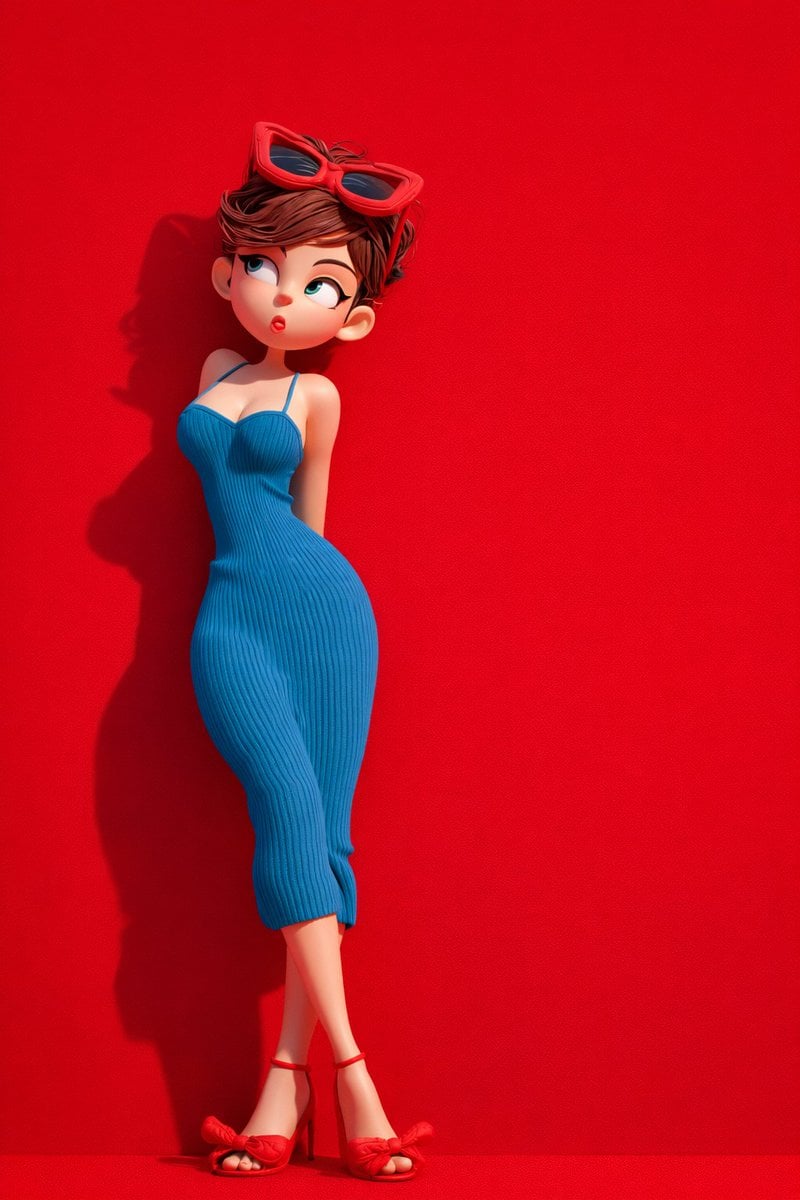
Image template
Featured
Green Travel 3D Character Set
No ratings yet
3D and Illustration
3D Render
Anime Style
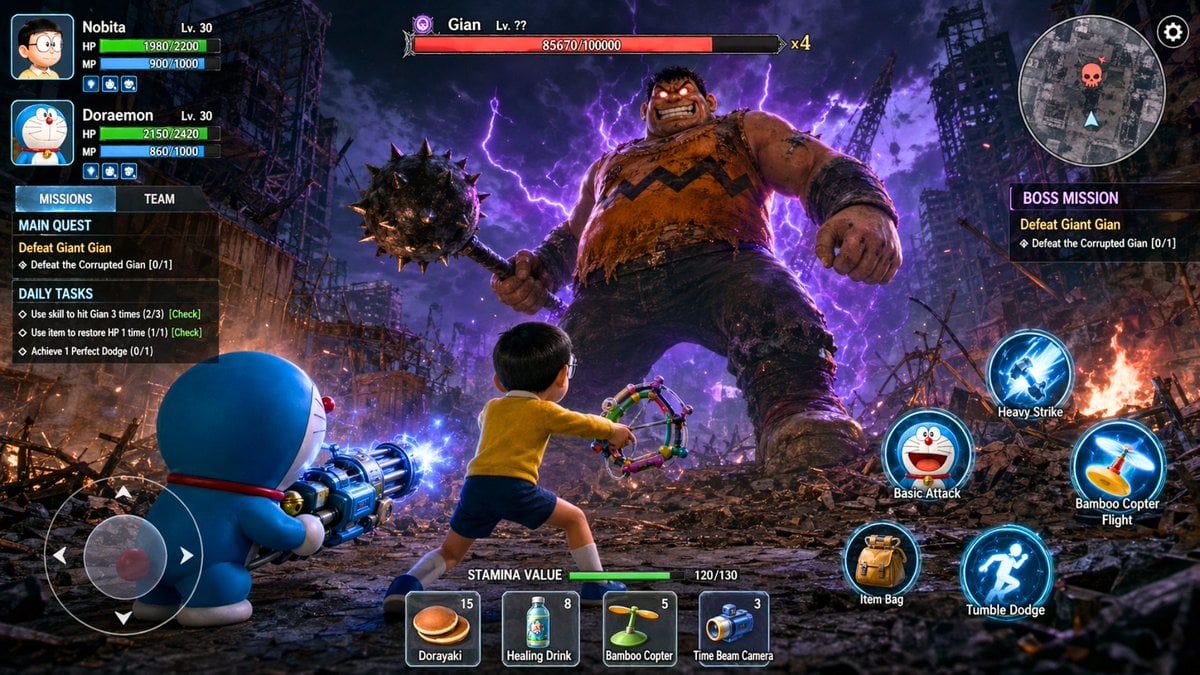
Image template
Featured
Doraemon RPG Boss Battle Screenshot
No ratings yet
3D and Illustration
3D Render
Anime Style
Ratings and feedback
No ratings yet
Please sign in first