![Monochrome [ADIDAS ORIGINAL] logo relief beneath tightly stretched plastic film](https://kyeo.ai/uploads/templates/adidas-original-monochrome-plastic-wrap-logo/adidas-original-monochrome-plastic-wrap-logo-preview.jpg)
Image template
Free to view, copy, and apply; generation uses credits
Featured
Monochrome Shrink-Wrapped [ADIDAS ORIGINAL] Logo
Start with the recommended models, use cases, and steps, then decide how to apply the template directly.
Official template2 views
Brand and Packaging
Ecommerce Product Images
Product
Product Scene
Brand Key Visual
Packaging Display
Studio Lighting
Minimal
Template type
Image template
Usage access
Free to view, copy, and apply; generation uses credits
Created
06/15/2026
Rating
No ratings yet
Template overview
These templates work best when you keep the visual structure, then replace the subject, style, or commercial goal. Start with GPT Image 2, then switch to a similar alternative based on the result.
Recommended models
If you are unsure which model to use first, start with one of the author's recommendations.
GPT Image 2
GPT Image 1.5
4o Image
Prompt
Start with the recommended models, use cases, and steps, then decide how to apply the template directly.
Create a scene showing a logo completely wrapped in a single layer of elastic plastic or shrink wrap. The logo shape must be visible only as relief beneath the film; none of the logo's own surfaces may be exposed. Brand analysis: Reconstruct the complete [ADIDAS ORIGINAL] visual identity from the official catalog. It may include an icon, a wordmark, or both, while preserving the exact spatial relationship between the icon and text. Color system: Use one monochrome tone associated with [ADIDAS ORIGINAL] across the background, film, and wrapped object. All variation must come only from light and shadow. Film material: Match the film to the selected [ADIDAS ORIGINAL] tone. Bright, saturated colors may use dense glossy or latex-like film with visible tension lines; neutral tones use matte stretch film; dark tones use translucent vacuum film; light tones use matte food-grade film. Stage 1: Keep the entire scene monochromatic, with the [ADIDAS ORIGINAL] color covering every surface. Build the background from the same film, loosely assembled and crumpled around the logo. Relief peaks should pull natural tension lines and folds outward. Include no floor lines, walls, or horizon; immerse the stage entirely in solid plastic material. Stage 2: Give every logo element a rounded, balloon-like volume and clear visual depth. Fix the logo to the background and stretch one film layer tightly over the top of each element. Let loose folds form inside letter counters, between icon shapes, and around the logo perimeter. The wordmark must remain fully legible and the icon recognizable, while every original logo surface stays covered. Render the film physics precisely: tight tension over high points, diverging stress lines, small raised areas between elements, and shadows inside gaps. Stage 3: Use soft, diffused key light from the upper left to emphasize the film relief. Add subtle highlights to stretched areas of glossy film; keep matte film softly diffused. Preserve detail in deep folds with the global lighting rather than flattening the relief. Technical specifications: Use only the [ADIDAS ORIGINAL] color, with variation created through light and shadow. Show no exposed logo surfaces and no unnecessary text. The film must look like realistic plastic, not fabric, with convincing tension, folds, and plastic behavior. Match the film grain to ISO 400. Mood: The product is packed and ready to be opened. Its shape is known, but it has not yet been touched.
How to use it
Following this sequence usually produces a usable result faster than copying the prompt without a plan.
1
Start with a recommended model
If you do not have a preference, starting with GPT Image 2 is usually a reliable choice.
2
Keep the structure, replace the details
Preserve composition, lighting, materials, and style, then replace the subject, brand information, and use case.
3
Compare at least 2 or 3 results
Image templates are most valuable when they speed up iteration, so do not judge the direction from a single result.
Template details
Quickly decide whether this template fits your current task.
Template type
Image template
Usage access
Free to view, copy, and apply; generation uses credits
Created
06/15/2026
Rating
No ratings yet
Best for
This template works especially well for the following tasks.
Posters and covers
Useful for event graphics, social covers, campaign posters, and key visuals.
Product and brand images
Useful for ecommerce main images, brand visuals, and product variations.
Character and style exploration
Create samples for characters, illustrations, scenes, and style directions.
Recommended models
If you are unsure which model to use first, start with one of the author's recommendations.
GPT Image 2
IMAGE
These templates work best when you keep the visual structure, then replace the subject, style, or commercial goal. Start with GPT Image 2, then switch to a similar alternative based on the result.
GPT Image 1.5
IMAGE
These templates work best when you keep the visual structure, then replace the subject, style, or commercial goal. Start with GPT Image 2, then switch to a similar alternative based on the result.
4o Image
IMAGE
These templates work best when you keep the visual structure, then replace the subject, style, or commercial goal. Start with GPT Image 2, then switch to a similar alternative based on the result.
Related templates
Compare templates of the same type to find the prompt direction that fits you best.
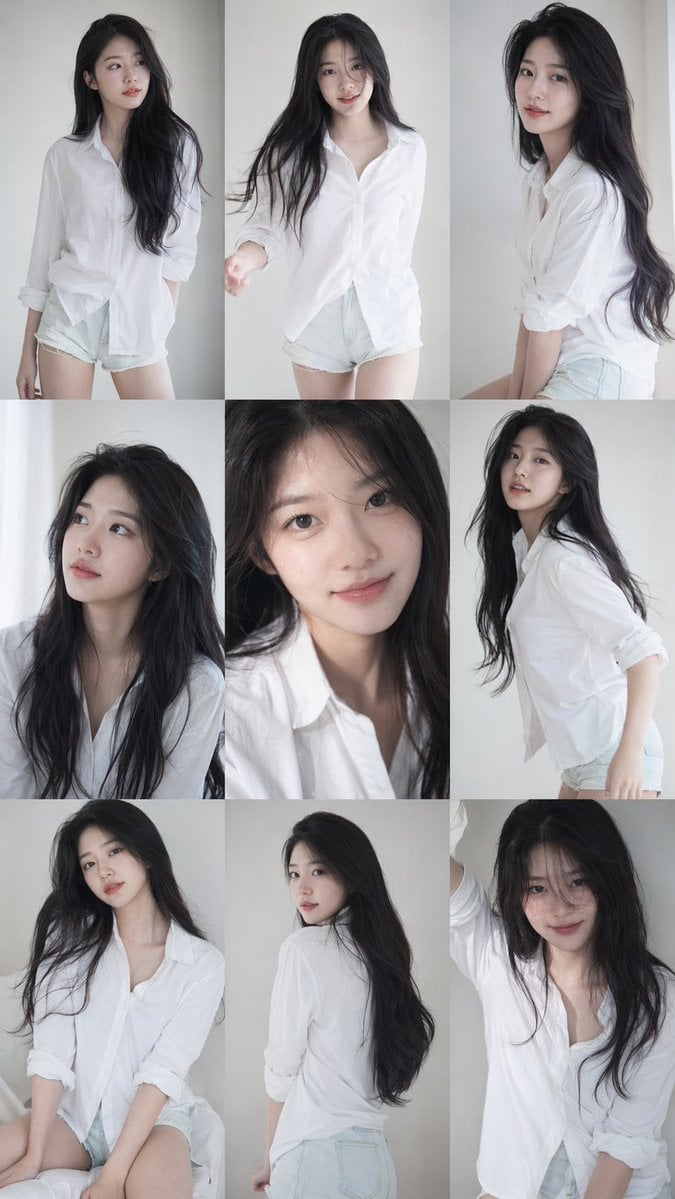
Image template
Featured
K-Pop Idol Nine-Panel Portrait Grid
No ratings yet
Portrait Photography
Realistic Photography
Cinematic
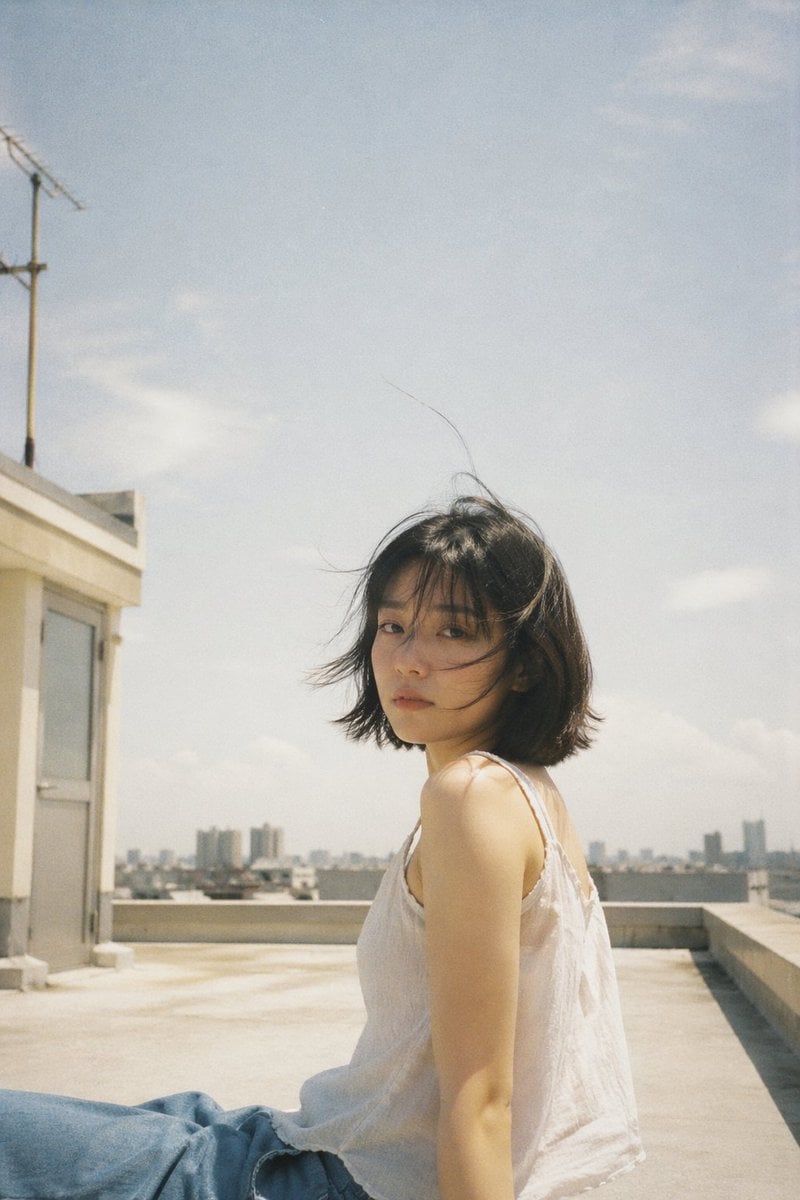
Image template
Featured
Japanese Negative-Film Rooftop Summer Portrait
No ratings yet
Portrait Photography
Realistic Photography
Cinematic
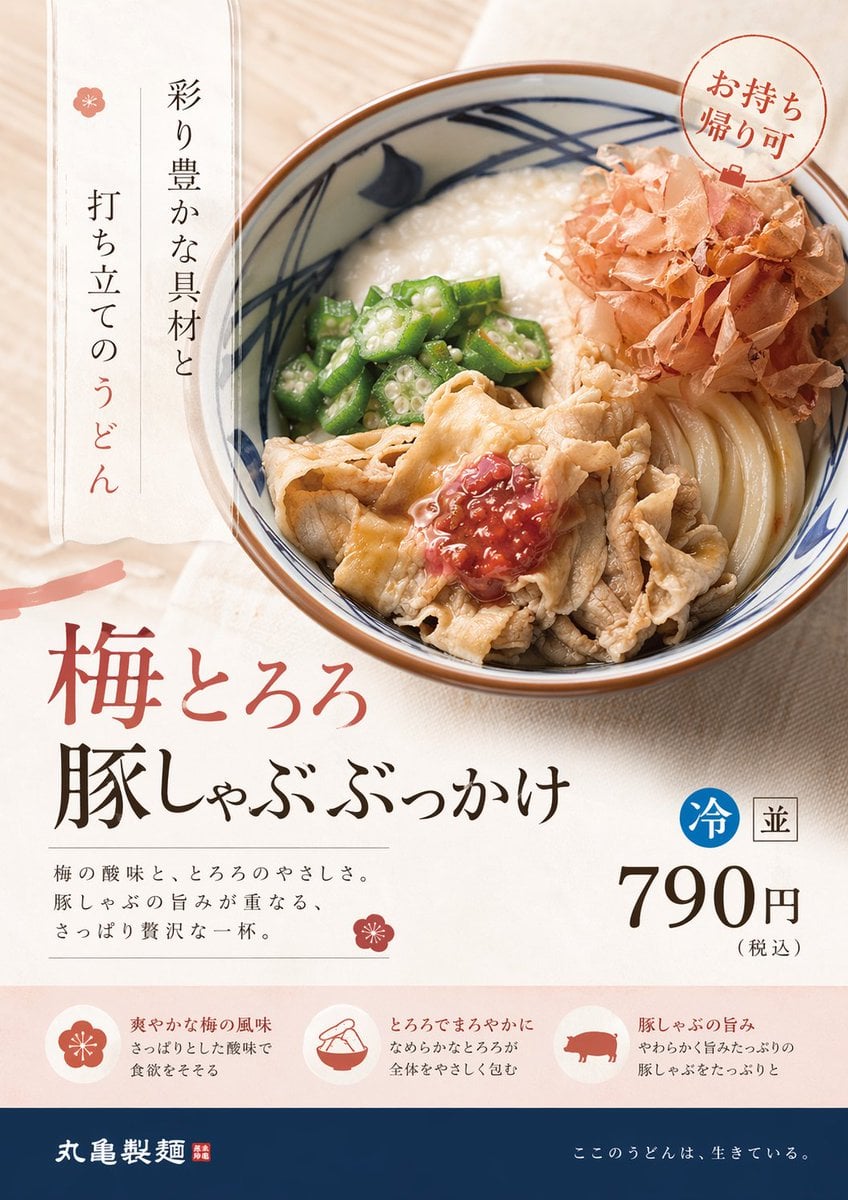
Image template
Featured
On-Trend Product Advertisement Redesign
No ratings yet
Ecommerce Product Images
Food
Drink
Ratings and feedback
No ratings yet
Please sign in first