Image template
Free to view, copy, and apply; generation uses credits
Featured
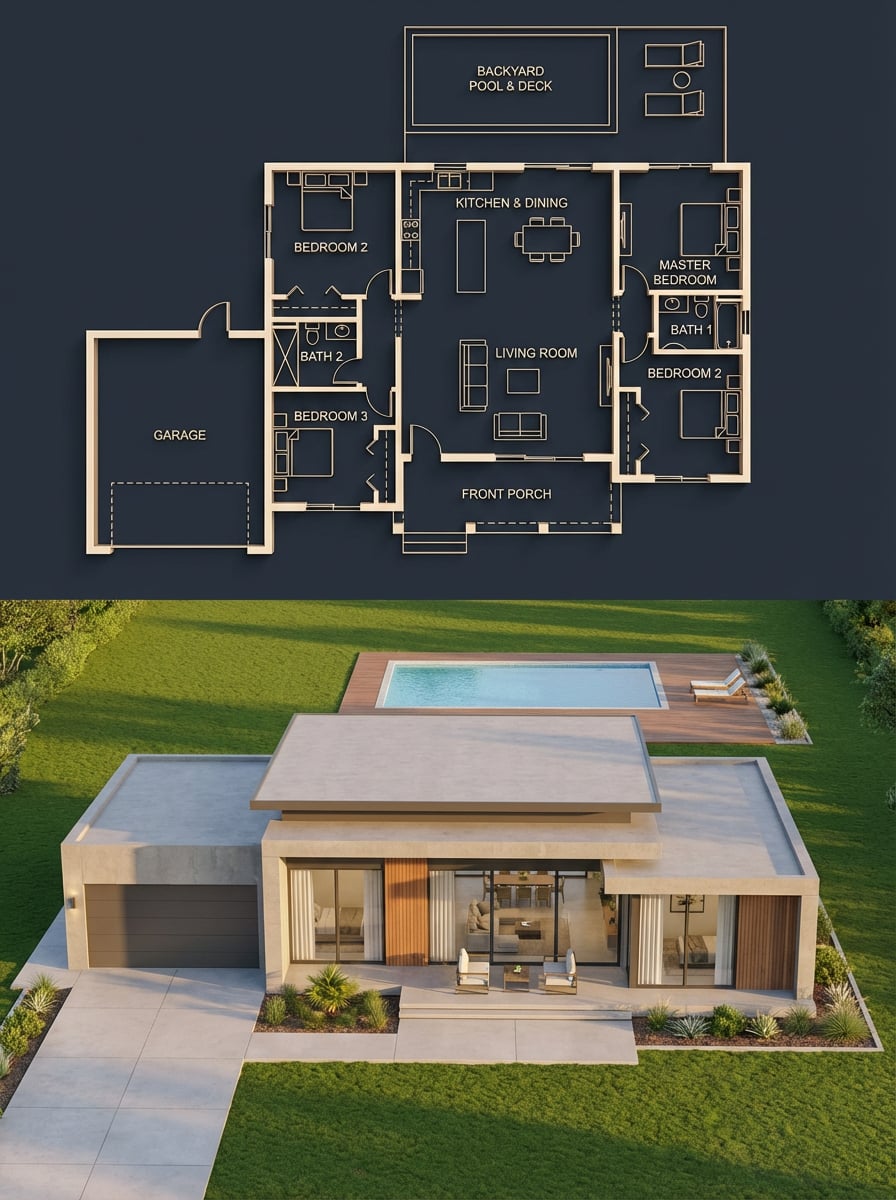
Blueprint and House Render Comparison
Start with the recommended models, use cases, and steps, then decide how to apply the template directly.
Official template1 views
Infographics and Diagrams
Ecommerce Product Images
Infographic
Typography Layout
Logo Inspiration
Social Post
Minimal
3D Render
Template type
Image template
Usage access
Free to view, copy, and apply; generation uses credits
Created
06/15/2026
Rating
No ratings yet
Template overview
These templates work best when you keep the visual structure, then replace the subject, style, or commercial goal. Start with Ideogram V3, then switch to a similar alternative based on the result.
Recommended models
If you are unsure which model to use first, start with one of the author's recommendations.
Ideogram V3
Nano Banana 2
Nano Banana Pro
Prompt
Start with the recommended models, use cases, and steps, then decide how to apply the template directly.
Create a vertical 3:4 split architectural visualization. Place a dark, premium architectural blueprint in the upper half and a photorealistic house render that matches it exactly in the lower half. The two sections must correspond structurally one-to-one: do not add, remove, or relocate any room. Upper half: Use a deep navy or charcoal-blue background, fine glowing beige/gold lines, walls with a subtle raised 3D effect, modern sans-serif labels, and soft ambient light. Include 3 bedrooms, a central living room, kitchen + dining, 2 bathrooms, a connected garage on the left side, a front porch, and a backyard pool with a deck. Show beds, sofas, a dining table, door-swing openings, window positions, circulation paths, and precise proportions. Lower half: Render a modern single-story house with a flat layered roof, smooth concrete walls, wood-panel accents, and large glass windows. Keep the garage on the left. Align the main entrance with the living room. Place the pool in the backyard and match its dimensions to the blueprint. Match every window and room position, and make the exterior bedroom volumes legible. Environment: A suburban neighborhood with a green lawn, minimal landscaping, a clean driveway, and a pool deck. Use golden-hour light and a slightly elevated, front-facing 35mm architectural view. Keep the overall result clean and high-end. Strictly avoid any mismatch between the blueprint and render, extra rooms, fantasy elements, unrealistic proportions, or a cluttered setting.
How to use it
Following this sequence usually produces a usable result faster than copying the prompt without a plan.
1
Start with a recommended model
If you do not have a preference, starting with Ideogram V3 is usually a reliable choice.
2
Keep the structure, replace the details
Preserve composition, lighting, materials, and style, then replace the subject, brand information, and use case.
3
Compare at least 2 or 3 results
Image templates are most valuable when they speed up iteration, so do not judge the direction from a single result.
Template details
Quickly decide whether this template fits your current task.
Template type
Image template
Usage access
Free to view, copy, and apply; generation uses credits
Created
06/15/2026
Rating
No ratings yet
Best for
This template works especially well for the following tasks.
Posters and covers
Useful for event graphics, social covers, campaign posters, and key visuals.
Product and brand images
Useful for ecommerce main images, brand visuals, and product variations.
Character and style exploration
Create samples for characters, illustrations, scenes, and style directions.
Recommended models
If you are unsure which model to use first, start with one of the author's recommendations.
Ideogram V3
IMAGE
These templates work best when you keep the visual structure, then replace the subject, style, or commercial goal. Start with Ideogram V3, then switch to a similar alternative based on the result.
Nano Banana 2
IMAGE
These templates work best when you keep the visual structure, then replace the subject, style, or commercial goal. Start with Ideogram V3, then switch to a similar alternative based on the result.
Nano Banana Pro
IMAGE
These templates work best when you keep the visual structure, then replace the subject, style, or commercial goal. Start with Ideogram V3, then switch to a similar alternative based on the result.
Related templates
Compare templates of the same type to find the prompt direction that fits you best.
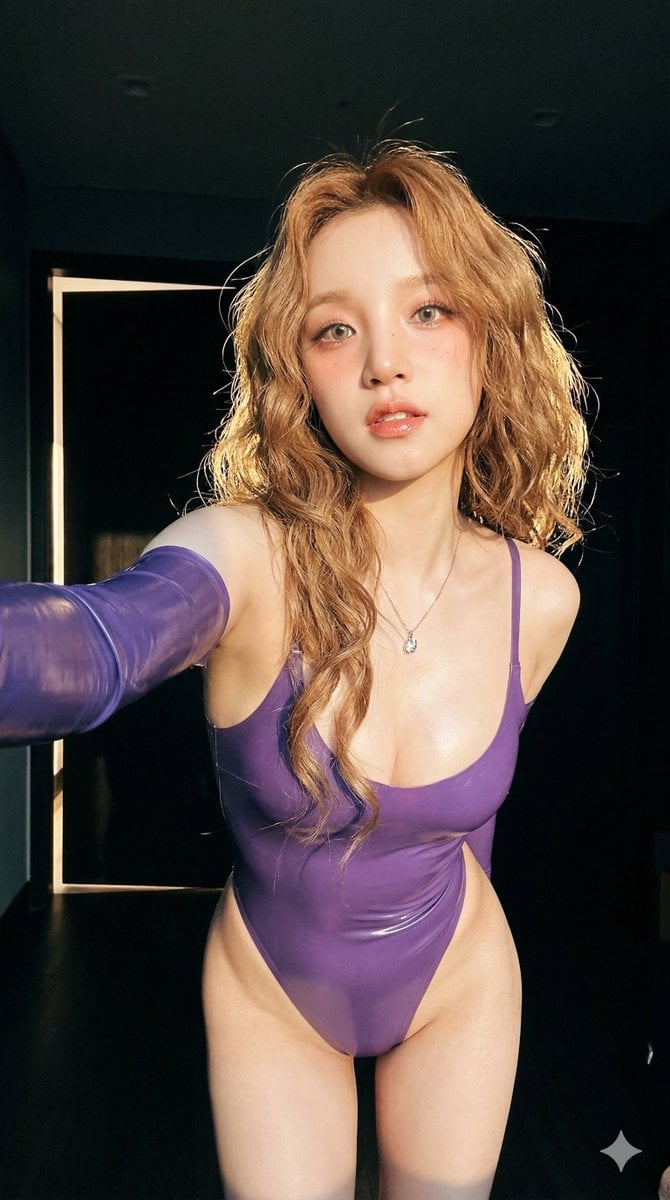
Image template
Featured
(G)I-DLE Yuqi Golden-Light Fashion Selfie
No ratings yet
Scene Photography
Realistic Photography
Cinematic

Image template
Featured
Dream of the Red Chamber: Lin Daiyu Silhouette Story Poster
No ratings yet
Posters and Covers
Campaign Poster
Typography Layout
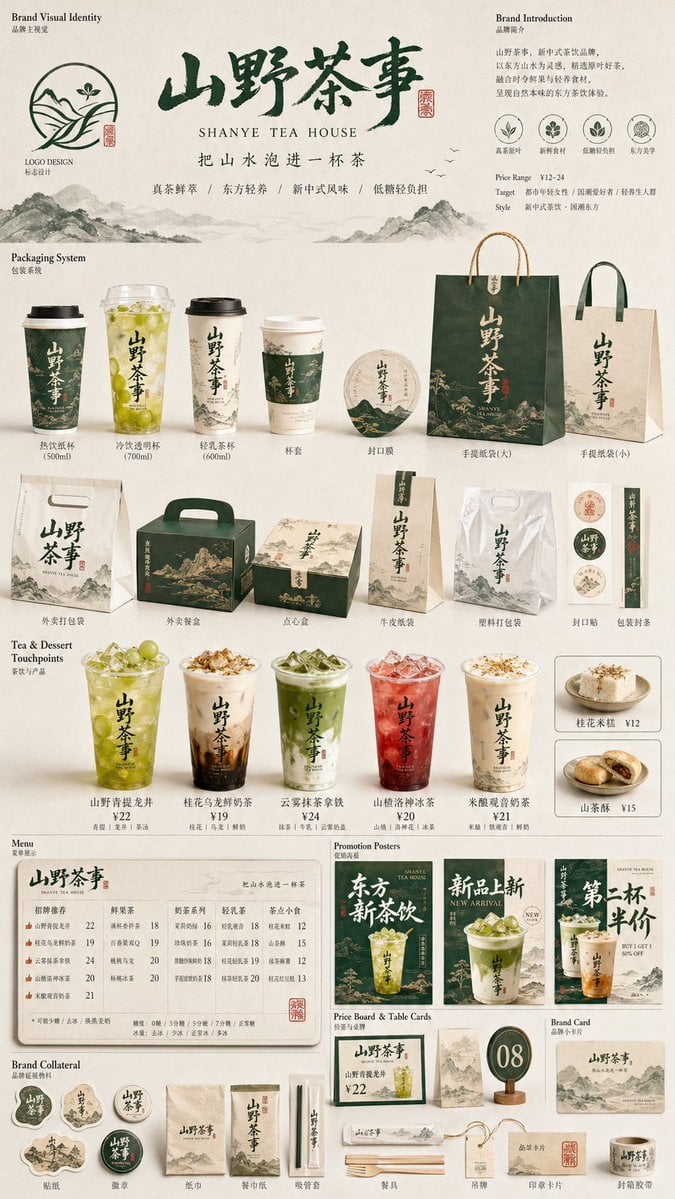
Image template
Featured
Restaurant Brand Touchpoint Matrix
No ratings yet
Posters and Covers
Campaign Poster
Typography Layout
Ratings and feedback
No ratings yet
Please sign in first