![Adaptive 16:9 bento brand system using credible products, interfaces, and campaign assets for [BRAND NAME]](https://kyeo.ai/uploads/templates/brand-name-16x9-bento-brand-system-collage/brand-name-16x9-bento-brand-system-collage-preview.jpg)
Image template
Free to view, copy, and apply; generation uses credits
Featured
[BRAND NAME] 16:9 Bento Brand System Collage
Start with the recommended models, use cases, and steps, then decide how to apply the template directly.
Official template0 views
Infographics and Diagrams
Ecommerce Product Images
Product
Product Scene
Brand Key Visual
Packaging Display
Studio Lighting
Minimal
Template type
Image template
Usage access
Free to view, copy, and apply; generation uses credits
Created
06/15/2026
Rating
No ratings yet
Template overview
These templates work best when you keep the visual structure, then replace the subject, style, or commercial goal. Start with Ideogram V3, then switch to a similar alternative based on the result.
Recommended models
If you are unsure which model to use first, start with one of the author's recommendations.
Ideogram V3
GPT Image 2
GPT Image 1.5
Prompt
Start with the recommended models, use cases, and steps, then decide how to apply the template directly.
Create a horizontal 16:9 bento-grid brand collage for [BRAND NAME] in a polished, contemporary campaign style. Use a fixed 3-row, 4-column bento structure with rounded tiles, equal gaps, clean alignment, and a light neutral background. Keep the layout consistent across every generation, while adapting each tile to the real business model, product ecosystem, and brand language of [brand name]. Build 11 visible content zones: - top-left: A tall vertical hero device or primary brand surface spanning 1 column × 2 rows. - top-middle-left: A compact square brand-asset tile. - top-middle-right: A wide headline/message tile spanning 2 columns × 1 row. - center tile: A dominant campaign hero scene spanning 2 columns × 2 rows. - top-right: A secondary device, product surface, or branded object. - bottom-left: A product artifact or branded utility object. - bottom-center: A large bold typography tile spanning 2 columns × 1 row. - bottom-right: A tall informational product, interface, or feature tile spanning 1 column × 2 rows. Make the large center hero tile, wide top headline tile, and wide bottom typography tile the main focal points. Adaptive content logic: Do not assume [brand name] is a fintech brand. First determine whether it is a social platform, SaaS tool, media brand, retailer, hospitality brand, hardware company, mobility app, AI product, consumer app, or another type of business. Every tile must contain a plausible branded asset for that category. If the brand has a consumer app, dashboard, product UI, creator interface, booking flow, editor, storefront, feed, player, workspace, or operating surface, prioritize those. Do not invent payment cards, watches, or hardware when they would not reasonably exist for the brand. Use physical objects only when they make sense, such as packaging, merchandise, signage, a magazine, laptop sticker, storefront card, delivery box, product box, wearable, poster, notebook, tote, badge, ticket, or book. For a digital brand, prioritize screens, interface fragments, campaign graphics, app/store listings, editorial visuals, and branded communication assets. For a platform, use profile screens, creator dashboards, boards, playlists, templates, analytics, publishing tools, discovery feeds, search, and collaboration views. For a physical-product company, use product shots, packaging, product-detail pages, retail signage, and lifestyle scenes. For a service business, use booking, scheduling, marketplace, onboarding, testimonial, results, and service-delivery interfaces. tile-by-tile: Use the tall left hero tile for the primary touchpoint. Use the small square brand-asset tile for an app icon, logo mark, symbol, badge, motif, or emblem. Put a short strategic message that matches the brand category and tone in the wide top headline tile. Use the large center hero tile for a campaign scene set in the real world or a believable brand environment. Put a secondary brand surface in the top-right support tile. Choose the bottom-left artifact tile by category, using an appropriate branded artifact for fintech, social, media, SaaS, e-commerce, travel, music, AI, or the actual category. Put a strong oversized statement in the wide bottom message tile; do not use MOVE MONEY WITHOUT BORDERS for a non-financial brand. Use the tall right informational tile for an app-store page, product page, onboarding screen, feature overview, marketplace listing, creator profile, landing screen, dashboard overview, editorial page, discovery feed, or help center. Brand realism rules: Use the real or highly credible logo, color palette, typography feel, icon language, image treatment, interface style, and tone of voice of [brand name]. Do not force the brand into another category. Do not invent impossible hardware, payment tools, packaging, or app features. Visual consistency rules: Keep the same grid structure, tile spacing, corner radius, art-direction quality, brand palette, typography logic, mockup realism, lighting, and polish. Create a clean premium brand presentation with high detail, polished mockup realism, soft shadows, strong hierarchy, editorial-quality composition, and modern campaign aesthetics. Avoid random collage chaos, tiny unreadable text, and generic placeholder UI. Important principle: the layout is fixed, but the objects are not fixed. Choose tile content only from what [brand name] realistically sells, ships, publishes, displays, or lets users interact with; never insert category-inappropriate objects just to fill the grid.
How to use it
Following this sequence usually produces a usable result faster than copying the prompt without a plan.
1
Start with a recommended model
If you do not have a preference, starting with Ideogram V3 is usually a reliable choice.
2
Keep the structure, replace the details
Preserve composition, lighting, materials, and style, then replace the subject, brand information, and use case.
3
Compare at least 2 or 3 results
Image templates are most valuable when they speed up iteration, so do not judge the direction from a single result.
Template details
Quickly decide whether this template fits your current task.
Template type
Image template
Usage access
Free to view, copy, and apply; generation uses credits
Created
06/15/2026
Rating
No ratings yet
Best for
This template works especially well for the following tasks.
Posters and covers
Useful for event graphics, social covers, campaign posters, and key visuals.
Product and brand images
Useful for ecommerce main images, brand visuals, and product variations.
Character and style exploration
Create samples for characters, illustrations, scenes, and style directions.
Recommended models
If you are unsure which model to use first, start with one of the author's recommendations.
Ideogram V3
IMAGE
These templates work best when you keep the visual structure, then replace the subject, style, or commercial goal. Start with Ideogram V3, then switch to a similar alternative based on the result.
GPT Image 2
IMAGE
These templates work best when you keep the visual structure, then replace the subject, style, or commercial goal. Start with Ideogram V3, then switch to a similar alternative based on the result.
GPT Image 1.5
IMAGE
These templates work best when you keep the visual structure, then replace the subject, style, or commercial goal. Start with Ideogram V3, then switch to a similar alternative based on the result.
Related templates
Compare templates of the same type to find the prompt direction that fits you best.
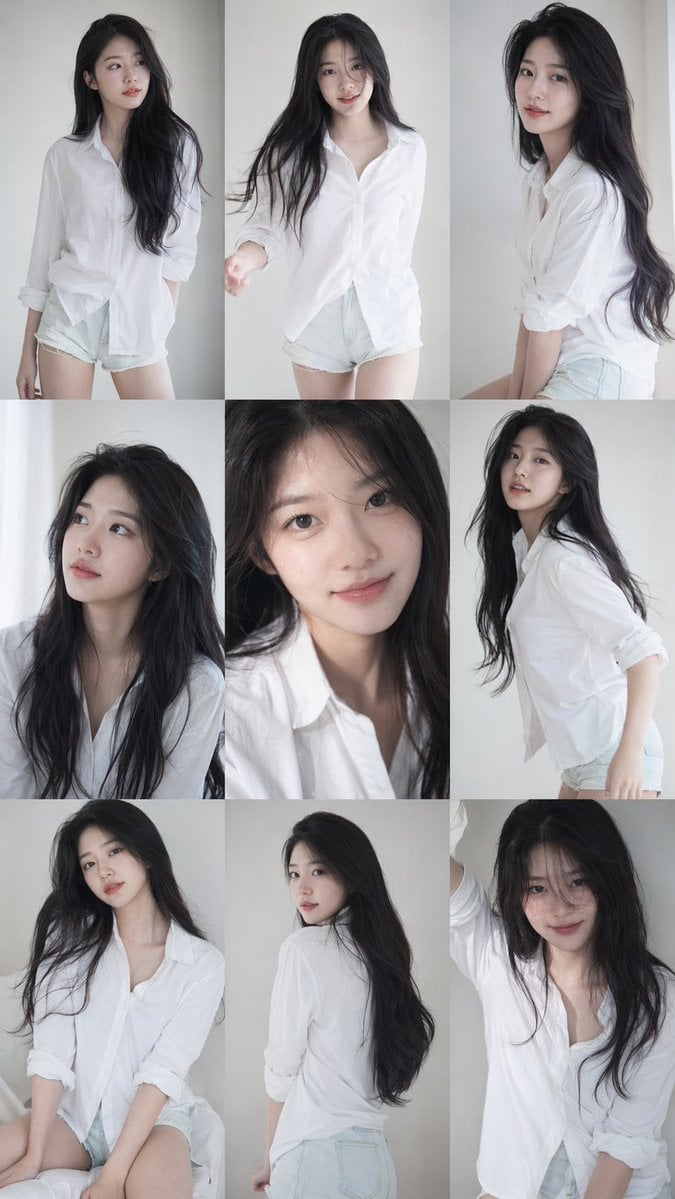
Image template
Featured
K-Pop Idol Nine-Panel Portrait Grid
No ratings yet
Portrait Photography
Realistic Photography
Cinematic

Image template
Featured
Japanese Negative-Film Rooftop Summer Portrait
No ratings yet
Portrait Photography
Realistic Photography
Cinematic
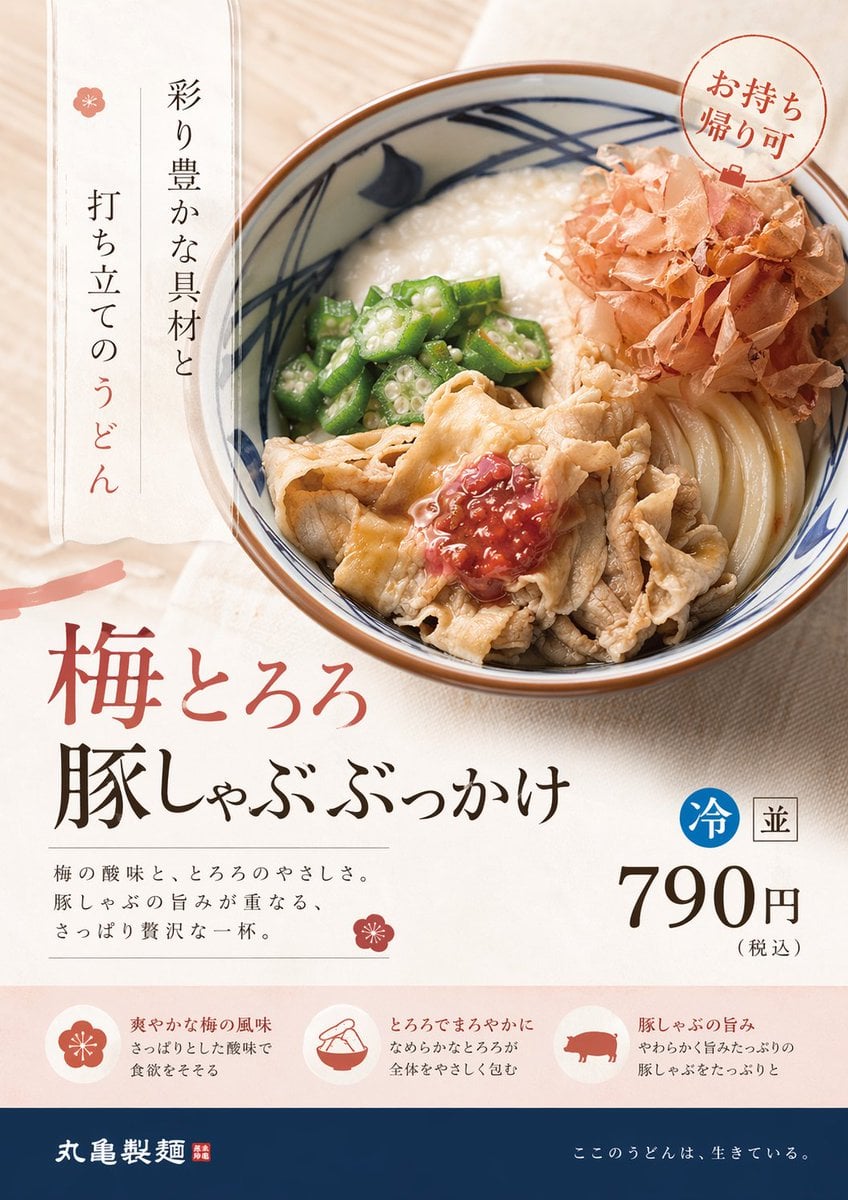
Image template
Featured
On-Trend Product Advertisement Redesign
No ratings yet
Ecommerce Product Images
Food
Drink
Ratings and feedback
No ratings yet
Please sign in first