![Vertical packaging-system poster showing a coordinated family of [BRAND NAME] packages and products](https://kyeo.ai/uploads/templates/brand-name-4x5-packaging-system-showcase/brand-name-4x5-packaging-system-showcase-preview.jpg)
Image template
Free to view, copy, and apply; generation uses credits
Featured
[BRAND NAME] 4:5 Packaging System Showcase
Start with the recommended models, use cases, and steps, then decide how to apply the template directly.
Official template3 views
Ecommerce Product Images
Brand and Packaging
Product
Product Scene
Brand Key Visual
Packaging Display
Studio Lighting
Minimal
Template type
Image template
Usage access
Free to view, copy, and apply; generation uses credits
Created
06/15/2026
Rating
No ratings yet
Template overview
These templates work best when you keep the visual structure, then replace the subject, style, or commercial goal. Start with GPT Image 2, then switch to a similar alternative based on the result.
Recommended models
If you are unsure which model to use first, start with one of the author's recommendations.
GPT Image 2
GPT Image 1.5
4o Image
Prompt
Start with the recommended models, use cases, and steps, then decide how to apply the template directly.
Create a highly polished, aesthetically refined “brand packaging system showcase” for the brand [BRAND NAME] in the category [BRAND CATEGORY]. This is not a standard e-commerce image on a white background or a single-product image. Make it a packaging-family display poster with the feel of a brand proposal, a visual identity system, and commercial photography, emphasizing how one brand is applied consistently across multiple packaging formats. Use a fixed vertical 4:5 poster composition. Do not use a horizontal layout, a wide desktop arrangement, or an overly dispersed side-to-side display. Leave breathing room at the top, concentrate the primary packaging system in the middle, and place supporting packaging, labels, and the actual products below. The result should be ready to publish directly as a brand showcase poster. Choose a credible packaging combination and product format automatically for [BRAND CATEGORY], then build a unified visual system around [BRAND NAME]. Select packaging formats by category rather than forcing every option into the scene. Possible formats include a carry bag or shopping bag, gift box or paper box, outer carton, long box, single-item box, set box, sleeve, sample sachet, soft pouch, or packaging bag. Containers may include cups, bottles, jars, tubes, spray bottles, or pump bottles. Supporting identity pieces may include labels, stickers, seals, hangtags, small cards, and the actual products. Category mapping: - Food, bakery, snacks, and beverages: paper bags, paper boxes, packaging bags, cups, food containers, stickers, and actual products. - Tea drinks, coffee, and other beverages: cups, bottles or cans, carry bags, cup sleeves, sealing stickers, and gift boxes. - Beauty, skincare, cosmetics, and perfume: bottles, jars, tubes, boxes, gift boxes, carry bags, and samples. - Fragrance, home, and lifestyle: diffuser bottles, candle vessels, packaging boxes, gift boxes, hang cards, and labels. - Apparel, accessories, art toys, and cultural or creative goods: drawer boxes, dust bags, hangtags, and accessory packaging. - Digital accessories, tools, and small consumer goods: rigid boxes, storage pouches, instruction cards, stickers, sleeves, and labels. Keep the quantity selective and refined: 1-2 large packages, 2-3 medium packages, 2-4 small packages or supporting objects, and 1-3 actual products, with 6-10 visible elements in total. Every package must belong to the same brand system, with a unified logo / mark, typographic style, graphic language, illustration or pattern system, layout logic, color palette, materials, and print finish. Let the category and brand character guide a controlled color direction. Options may include naturally low-saturation tones, modern neutrals, a subtle vintage palette, fresh colors, dark understated luxury, or an artistic mixed palette. Reference directions include cream white with caramel brown, misty gray-blue with warm white, olive green with linen beige, burgundy with cream white, cocoa brown with ivory, charcoal gray with straw gold, dusty pink-gray with off-white, or navy with warm gray. Avoid fluorescent colors, cheap-looking high saturation, and cluttered collage styling. Arrange the packaging family as a commercial studio photograph. Use a slight 3/4 top-down angle or a front display with mild perspective. Place 1-2 large packages in the background, the core packaging or hero product in the midground, and small packages, labels, stickers, and actual products in the foreground. At least one actual product must interact naturally with its packaging. Keep the background clean: white, warm white, light gray, or another minimal background suited to the brand tone. Emphasize paper folds, box construction, bottle and jar silhouettes, label details, embossing, foil stamping, matte finishes, tissue paper, kraft paper, and other material qualities. Use authentic commercial-photography lighting—soft studio light or lightly directional natural side light. Keep shadows clear but restrained, with a bright, transparent overall feel that never looks cheap or cluttered. The final image should resemble a mature brand's packaging-system showcase poster, packaging-family proposal, or completed brand-identity application visual.
How to use it
Following this sequence usually produces a usable result faster than copying the prompt without a plan.
1
Start with a recommended model
If you do not have a preference, starting with GPT Image 2 is usually a reliable choice.
2
Keep the structure, replace the details
Preserve composition, lighting, materials, and style, then replace the subject, brand information, and use case.
3
Compare at least 2 or 3 results
Image templates are most valuable when they speed up iteration, so do not judge the direction from a single result.
Template details
Quickly decide whether this template fits your current task.
Template type
Image template
Usage access
Free to view, copy, and apply; generation uses credits
Created
06/15/2026
Rating
No ratings yet
Best for
This template works especially well for the following tasks.
Posters and covers
Useful for event graphics, social covers, campaign posters, and key visuals.
Product and brand images
Useful for ecommerce main images, brand visuals, and product variations.
Character and style exploration
Create samples for characters, illustrations, scenes, and style directions.
Recommended models
If you are unsure which model to use first, start with one of the author's recommendations.
GPT Image 2
IMAGE
These templates work best when you keep the visual structure, then replace the subject, style, or commercial goal. Start with GPT Image 2, then switch to a similar alternative based on the result.
GPT Image 1.5
IMAGE
These templates work best when you keep the visual structure, then replace the subject, style, or commercial goal. Start with GPT Image 2, then switch to a similar alternative based on the result.
4o Image
IMAGE
These templates work best when you keep the visual structure, then replace the subject, style, or commercial goal. Start with GPT Image 2, then switch to a similar alternative based on the result.
Related templates
Compare templates of the same type to find the prompt direction that fits you best.
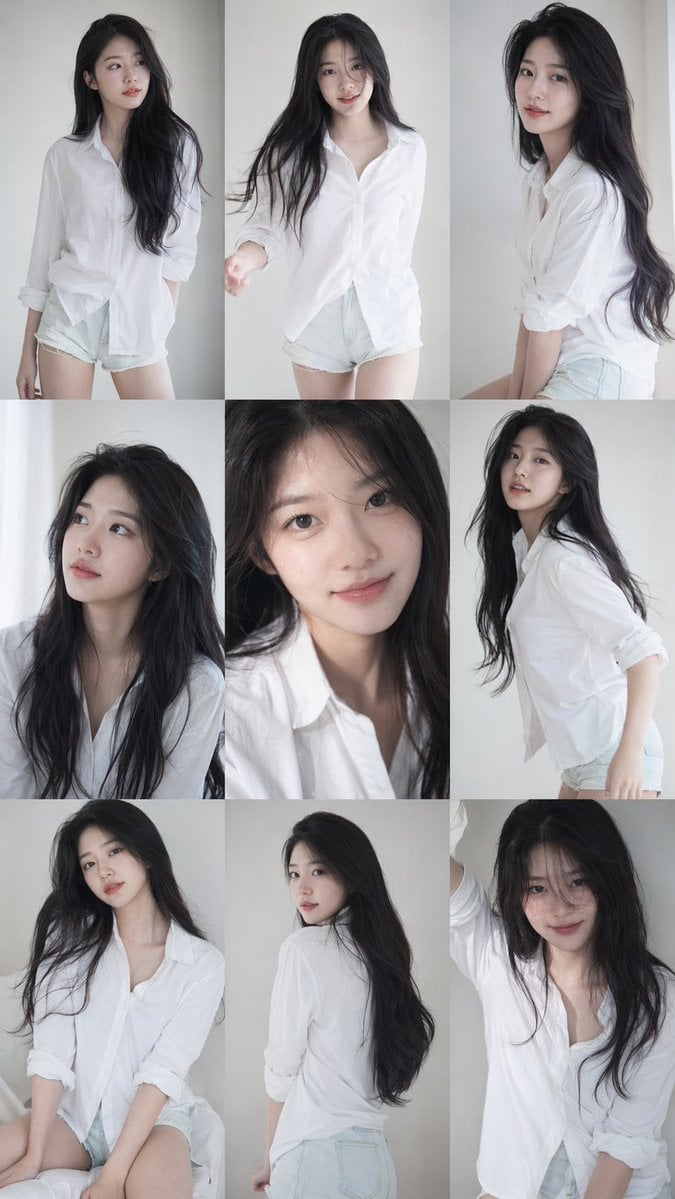
Image template
Featured
K-Pop Idol Nine-Panel Portrait Grid
No ratings yet
Portrait Photography
Realistic Photography
Cinematic

Image template
Featured
Japanese Negative-Film Rooftop Summer Portrait
No ratings yet
Portrait Photography
Realistic Photography
Cinematic
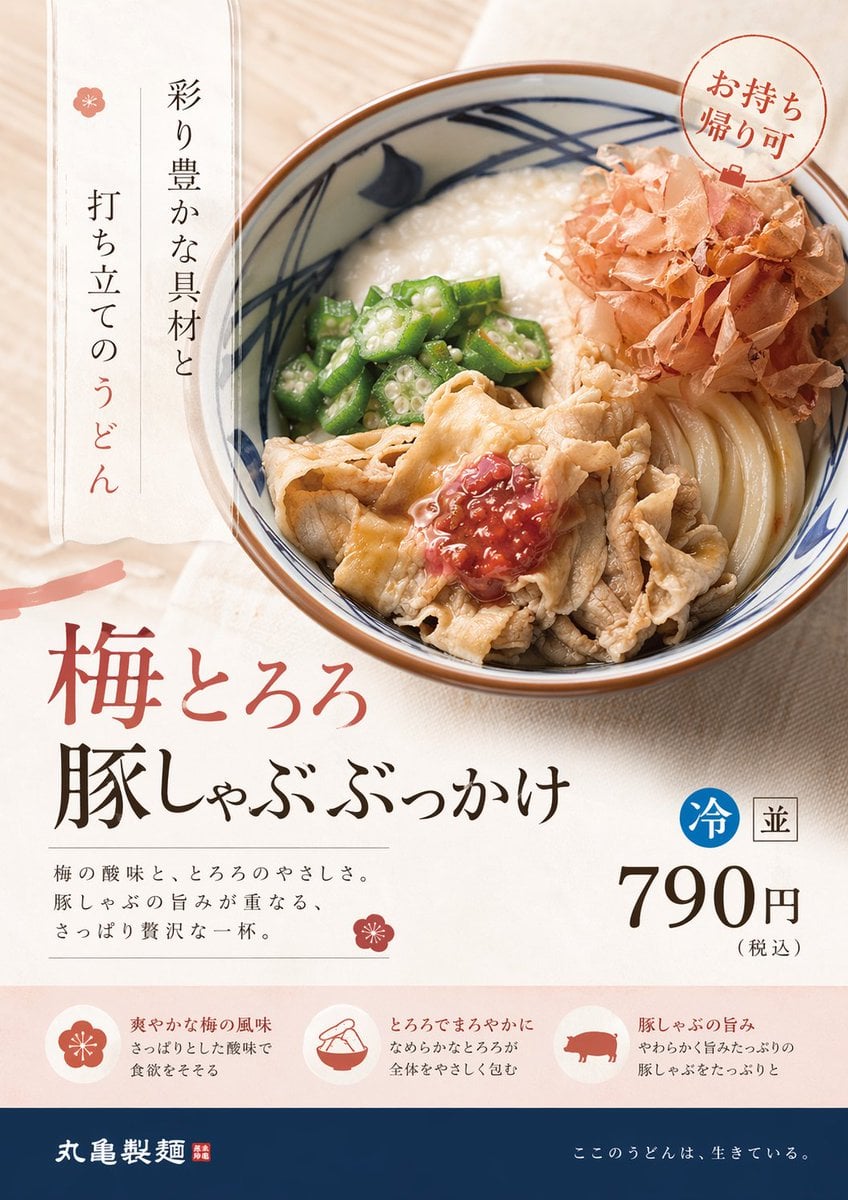
Image template
Featured
On-Trend Product Advertisement Redesign
No ratings yet
Ecommerce Product Images
Food
Drink
Ratings and feedback
No ratings yet
Please sign in first