![Live model physically interacting with a large white illustrated [BRAND NAME] object on a [HERO COLOR] campaign background](https://kyeo.ai/uploads/templates/brand-name-hero-color-live-illustration-interactive-ad/brand-name-hero-color-live-illustration-interactive-ad-preview.jpg)
Image template
Free to view, copy, and apply; generation uses credits
Featured
[BRAND NAME] [HERO COLOR] Live Illustration Interactive Ad
Start with the recommended models, use cases, and steps, then decide how to apply the template directly.
Official template0 views
Posters and Covers
Ecommerce Product Images
Infographic
Typography Layout
Logo Inspiration
Social Post
Minimal
Product
Template type
Image template
Usage access
Free to view, copy, and apply; generation uses credits
Created
06/15/2026
Rating
No ratings yet
Template overview
These templates work best when you keep the visual structure, then replace the subject, style, or commercial goal. Start with Ideogram V3, then switch to a similar alternative based on the result.
Recommended models
If you are unsure which model to use first, start with one of the author's recommendations.
Ideogram V3
Nano Banana 2
Nano Banana Pro
Prompt
Start with the recommended models, use cases, and steps, then decide how to apply the template directly.
[BRAND NAME] + [HERO COLOR]. Create from the perspective of a Mixed-Media Campaign Art Director. Combine studio photography cutouts with hand-drawn 2D illustration so a real person physically interacts with a hand-drawn object through touching, holding, standing on, leaning against, or using illustrated element. PHASE 1 — BACKGROUND Use a 1:1 square canvas with a base of single flat saturated color [HERO COLOR]. No gradients. No texture. Overlay 3-4 organic amoeba blob shapes in [HERO COLOR] with the value 20% darker. Give them smooth edges, irregular silhouettes, an asymmetrical distribution, and some bleeding off-frame, while maintaining hand-painted feel and clean execution. PHASE 2 — OBJECT AND INTERACTION Let AI independently decide the object and interaction. The object must be the most recognizable large, real physical object associated with [BRAND NAME]: an artifact that fans might collect, use in everyday life, or photograph. Do NOT choose animals. Do NOT choose logos. It must be a tangible object that can occupy substantial space beside the model. Choose the most natural, visually dynamic direct physical interaction for that object: hands touching, feet on, body leaning, or arms around. The relationship must be understandable within 2 seconds, the scale must support interaction with a person, and the pose must be active not passive. Options include HOLDING, WEARING/USING, STANDING ON, RIDING/LEANING, and EMERGING FROM. PHASE 3 — MODEL AND ILLUSTRATED OBJECT - MODEL: Use one model age 18-26 with a clean cutout and zero fringing. Let the interaction determine the pose, and keep the body position believable. - Wardrobe: Use [BRAND NAME]'s most iconic apparel in a [HERO COLOR] monochromatic palette. - Illustrated object: Use a pure white #FFFFFF flat 2D illustration with brush-pen marker line quality, 3-5px weight, and slightly imperfect organic edges. NO shading. NO gradients. flat white fill only. - Critical scale: The object must be at least 40% of canvas height and may be oversized, ensuring readability and visual impact. - Critical depth layering: Place part of the object behind model and part in front of model. The model's hands/feet must make contact at the intersections. - Brand stamp: Embed a small [BRAND NAME] logo mark naturally on the object surface in a [HERO COLOR] darker variant. Keep it subtle not dominant. PHASE 4 — SUPPORTING ILLUSTRATION Keep all supporting illustration white, flat, and in a brush-pen line style. Place the [BRAND NAME] primary icon in white at upper-left large, approximately 15% canvas width, and at opposite corner medium, approximately 10%. Add 2-3 manga-style exclamation dash clusters near the interaction point. Radiate 2-4 curved speed lines from the object or most active limb, weaving them in front and behind to create depth. At the bottom, add a ground interaction such as sparkle stars, short speed dashes, splash, dust clouds, or wheel tracks. Add 1-2 loose organic white lines near the torso. PHASE 5 — LIGHTING Use studio strobe, high-key, 5500K neutral lighting. Allow no dramatic shadows on the model. Add a soft contact shadow opacity 15% beneath the feet. Tech specs: mixed media real photograph integrated with hand-drawn 2D illustration. Use color count maximum 3: [HERO COLOR] light, [HERO COLOR] dark blobs, and white illustration, with skin tones and fabric colors as exceptions. Combine Y2K comic energy, Japanese streetwear magazine, and brush marker. Keep the composition asymmetric and dynamic, with the interaction point as the visual center of gravity. No text. No wordmarks. Logo icon only. Mood: model is IN THE MIDDLE of using it, caught mid-action, alive.
How to use it
Following this sequence usually produces a usable result faster than copying the prompt without a plan.
1
Start with a recommended model
If you do not have a preference, starting with Ideogram V3 is usually a reliable choice.
2
Keep the structure, replace the details
Preserve composition, lighting, materials, and style, then replace the subject, brand information, and use case.
3
Compare at least 2 or 3 results
Image templates are most valuable when they speed up iteration, so do not judge the direction from a single result.
Template details
Quickly decide whether this template fits your current task.
Template type
Image template
Usage access
Free to view, copy, and apply; generation uses credits
Created
06/15/2026
Rating
No ratings yet
Best for
This template works especially well for the following tasks.
Posters and covers
Useful for event graphics, social covers, campaign posters, and key visuals.
Product and brand images
Useful for ecommerce main images, brand visuals, and product variations.
Character and style exploration
Create samples for characters, illustrations, scenes, and style directions.
Recommended models
If you are unsure which model to use first, start with one of the author's recommendations.
Ideogram V3
IMAGE
These templates work best when you keep the visual structure, then replace the subject, style, or commercial goal. Start with Ideogram V3, then switch to a similar alternative based on the result.
Nano Banana 2
IMAGE
These templates work best when you keep the visual structure, then replace the subject, style, or commercial goal. Start with Ideogram V3, then switch to a similar alternative based on the result.
Nano Banana Pro
IMAGE
These templates work best when you keep the visual structure, then replace the subject, style, or commercial goal. Start with Ideogram V3, then switch to a similar alternative based on the result.
Related templates
Compare templates of the same type to find the prompt direction that fits you best.
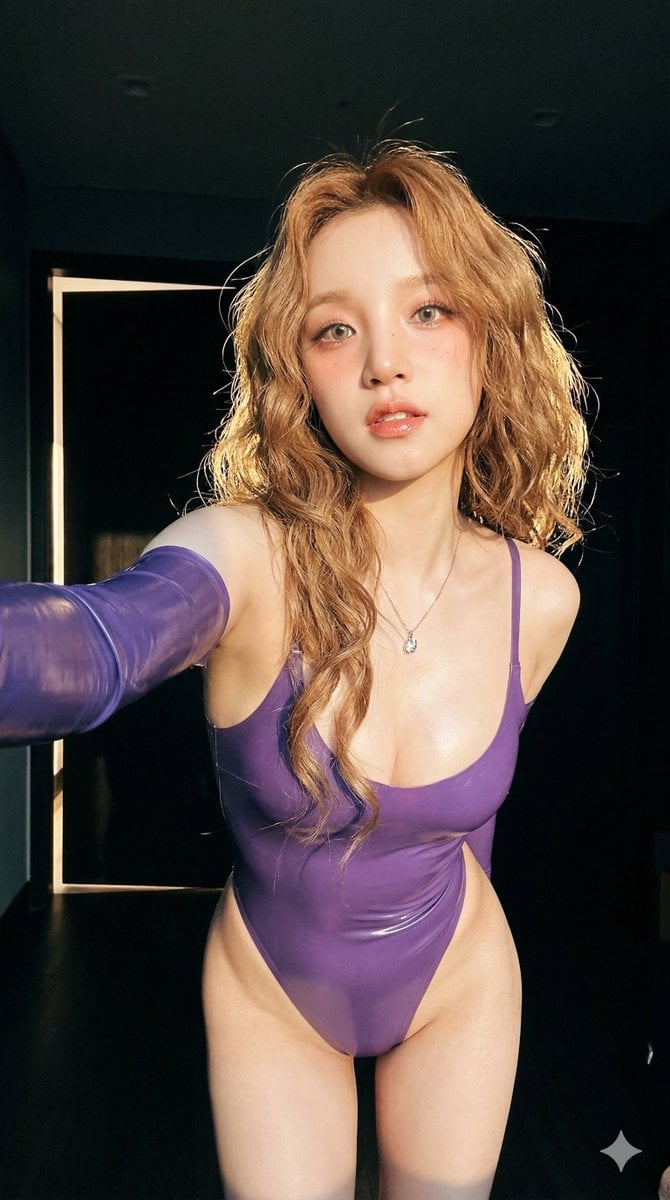
Image template
Featured
(G)I-DLE Yuqi Golden-Light Fashion Selfie
No ratings yet
Scene Photography
Realistic Photography
Cinematic
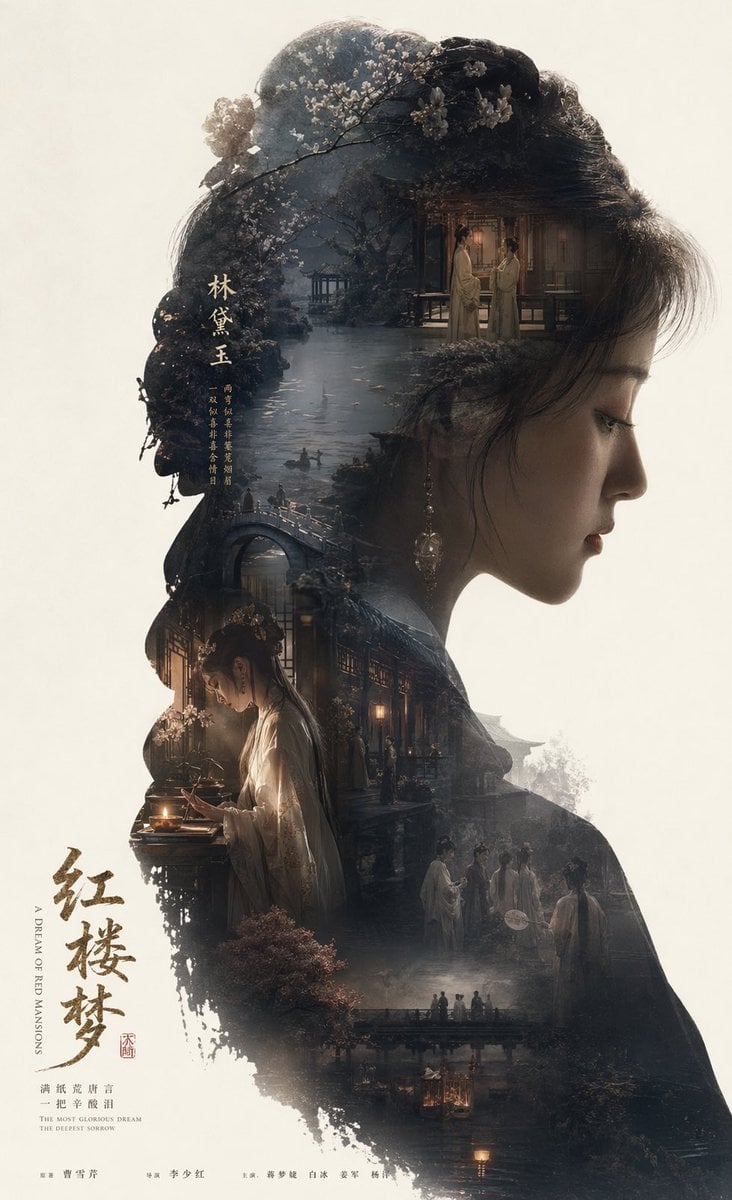
Image template
Featured
Dream of the Red Chamber: Lin Daiyu Silhouette Story Poster
No ratings yet
Posters and Covers
Campaign Poster
Typography Layout
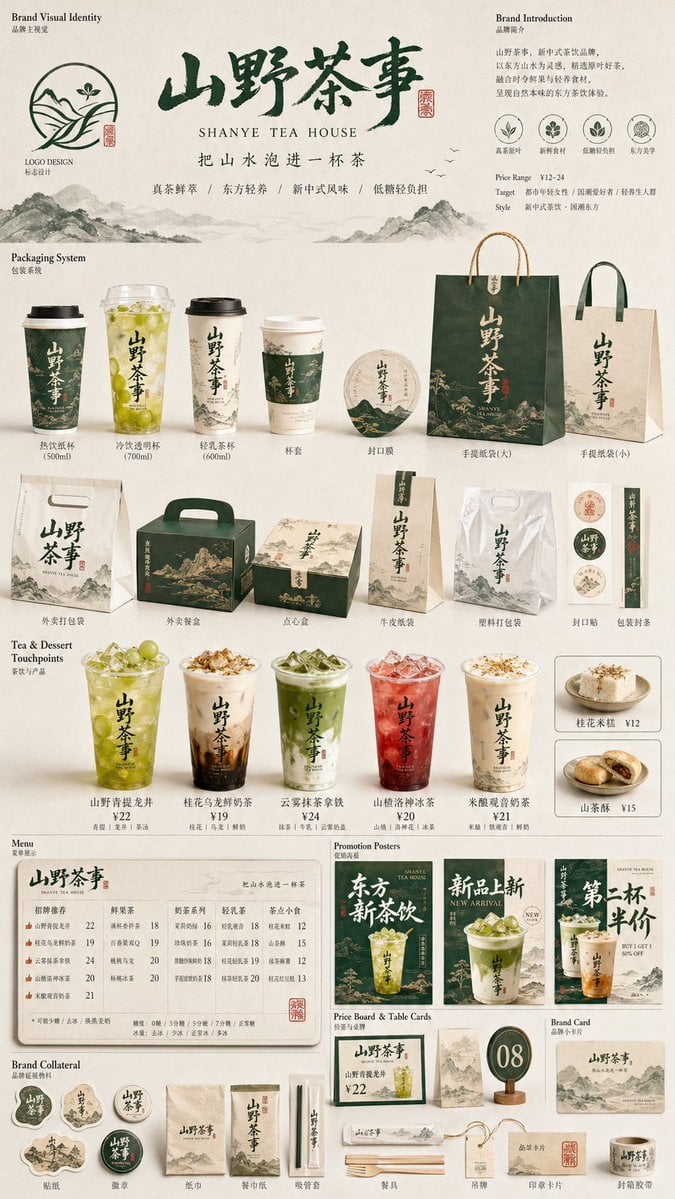
Image template
Featured
Restaurant Brand Touchpoint Matrix
No ratings yet
Posters and Covers
Campaign Poster
Typography Layout
Ratings and feedback
No ratings yet
Please sign in first