![Y2K Japanese streetwear badge for [BRAND NAME] with bold lowercase lettering, layered brand shapes, katakana, and origin flag](https://kyeo.ai/uploads/templates/brand-name-y2k-japanese-street-badge/brand-name-y2k-japanese-street-badge-preview.jpg)
Image template
Free to view, copy, and apply; generation uses credits
Featured
[BRAND NAME] Y2K Japanese Streetwear Badge
Start with the recommended models, use cases, and steps, then decide how to apply the template directly.
Official template0 views
Social Content
Brand and Packaging
Product
Product Scene
Brand Key Visual
Packaging Display
Studio Lighting
Minimal
Template type
Image template
Usage access
Free to view, copy, and apply; generation uses credits
Created
06/15/2026
Rating
No ratings yet
Template overview
These templates work best when you keep the visual structure, then replace the subject, style, or commercial goal. Start with Nano Banana 2, then switch to a similar alternative based on the result.
Recommended models
If you are unsure which model to use first, start with one of the author's recommendations.
Nano Banana 2
Nano Banana Pro
Nano Banana
Prompt
Start with the recommended models, use cases, and steps, then decide how to apply the template directly.
Use [BRAND NAME] as the subject and work as a Senior Vector Graphic Designer in the direction of Y2K Japanese streetwear badge design. Reference Tokyo Harajuku bootleg culture, early 2000s Japanese brand remixes, and retro-futuristic sticker art. The finished piece must look like a clean Adobe Illustrator vector file: flat, graphic, and sticker-ready. BRAND INTELLIGENCE SYSTEM - PRIMARY COLOR: Analyze the PRIMARY COLOR of [BRAND NAME] and convert it into a pastel or softened Y2K version. - ACCENT COLOR: Choose a warmer, saturated energy color. - DARK COLOR: Choose navy, dark brown, deep green, or near-black for outlines and extrusions. - LETTER CONTENT: Use the bold lowercase name or iconic abbreviation of [BRAND NAME]. - JAPANESE TRANSLITERATION: Use correct katakana. - BRAND ORIGIN FLAG: Include a small flag from the brand's country of origin. - BRAND SHAPE LANGUAGE: Extract distinctive shapes, curves, symbols, and structural elements from the brand visual identity. - BRAND CULTURAL SYMBOLS: Select 1-2 small iconic objects from the brand world without directly using the logo. - COMPOSITION LOGIC: Reinvent the badge structure from these brand parameters. PHASE 1 — CANVAS Use a 1:1 square canvas with a flat off-white or warm light grey background. No texture. No gradient. PHASE 2 — BADGE STRUCTURE Determine the badge structure independently, but include a central lettering element, brand-specific geometric shapes around the letters, and z-layer stacking. At least one element must be passing behind and in front of the letters. The result must read as one unified badge or patch shape and must not use generic ovals. PHASE 3 — LETTERING Set [BRAND NAME] in large bold lowercase with a wide rounded confident display typeface. Use PRIMARY COLOR fill, DARK COLOR extrusion offset down-right 8-12% of letter height, and a bold DARK COLOR outline. Use no gradients and no rendering. PHASE 4 — REQUIRED ELEMENTS Always include SPEED LINES or MOTION TEXTURE, a 4-POINT STAR or equivalent sparkle, JAPANESE KATAKANA, a COUNTRY FLAG, and a BRAND CULTURAL SYMBOL. TECH SPECS Use flat vector only, with zero gradients, zero effects, zero rendering, zero blur, and clean crisp edges. Use maximum 4 colors: PRIMARY pastel, ACCENT warm saturated, DARK outline color, and off-white. The final result should look like a collectible sticker or embroidered patch. Every brand must produce a different structure through its own shape language: Y2K Japanese aesthetic is the constant; structure is the variable.
How to use it
Following this sequence usually produces a usable result faster than copying the prompt without a plan.
1
Start with a recommended model
If you do not have a preference, starting with Nano Banana 2 is usually a reliable choice.
2
Keep the structure, replace the details
Preserve composition, lighting, materials, and style, then replace the subject, brand information, and use case.
3
Compare at least 2 or 3 results
Image templates are most valuable when they speed up iteration, so do not judge the direction from a single result.
Template details
Quickly decide whether this template fits your current task.
Template type
Image template
Usage access
Free to view, copy, and apply; generation uses credits
Created
06/15/2026
Rating
No ratings yet
Best for
This template works especially well for the following tasks.
Posters and covers
Useful for event graphics, social covers, campaign posters, and key visuals.
Product and brand images
Useful for ecommerce main images, brand visuals, and product variations.
Character and style exploration
Create samples for characters, illustrations, scenes, and style directions.
Recommended models
If you are unsure which model to use first, start with one of the author's recommendations.
Nano Banana 2
IMAGE
These templates work best when you keep the visual structure, then replace the subject, style, or commercial goal. Start with Nano Banana 2, then switch to a similar alternative based on the result.
Nano Banana Pro
IMAGE
These templates work best when you keep the visual structure, then replace the subject, style, or commercial goal. Start with Nano Banana 2, then switch to a similar alternative based on the result.
Nano Banana
IMAGE
These templates work best when you keep the visual structure, then replace the subject, style, or commercial goal. Start with Nano Banana 2, then switch to a similar alternative based on the result.
Related templates
Compare templates of the same type to find the prompt direction that fits you best.
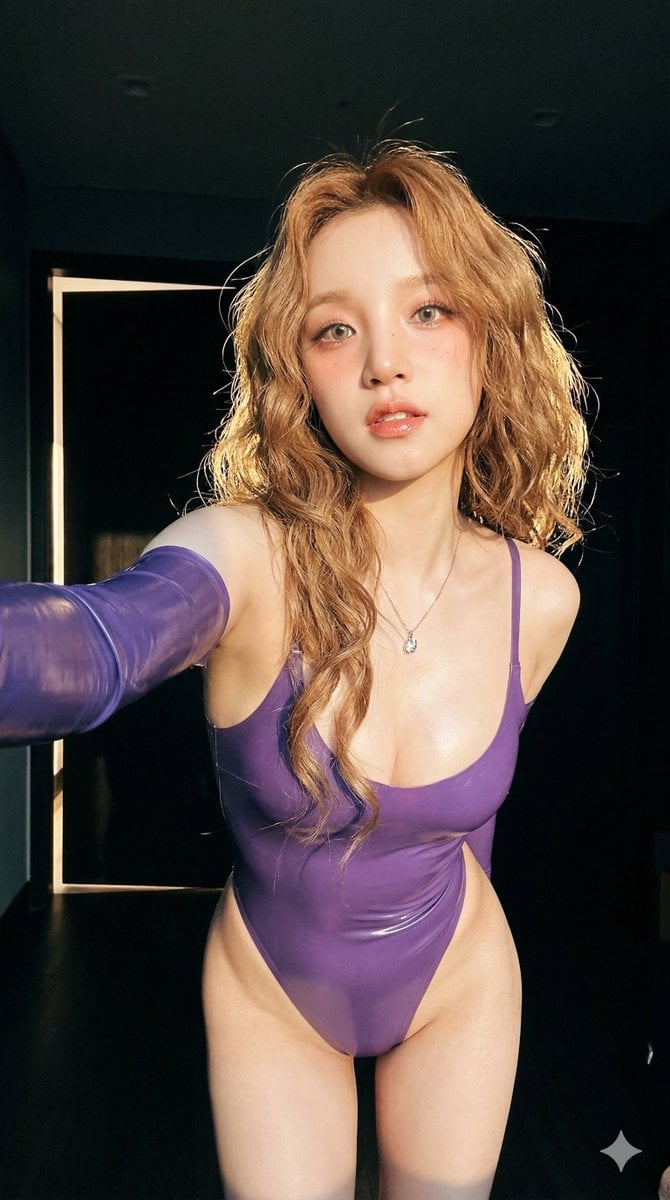
Image template
Featured
(G)I-DLE Yuqi Golden-Light Fashion Selfie
No ratings yet
Scene Photography
Realistic Photography
Cinematic
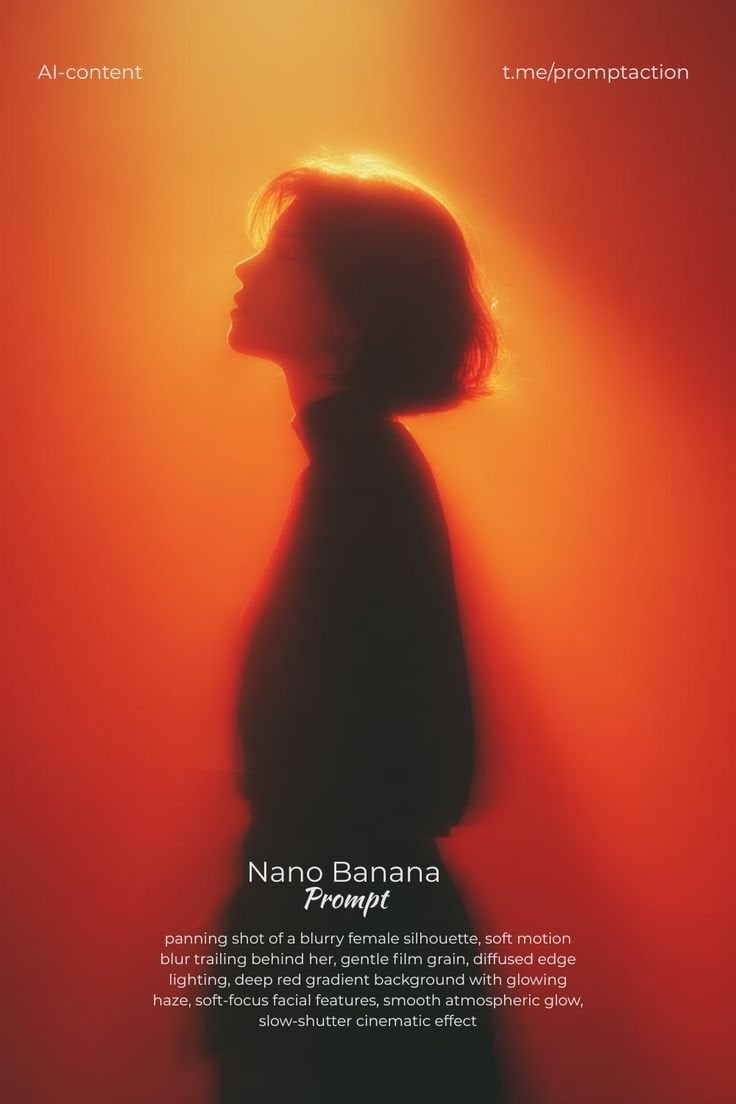
Image template
Featured
Cinematic Woman Silhouette with Red Motion Trails
No ratings yet
Portrait Photography
Realistic Photography
Cinematic
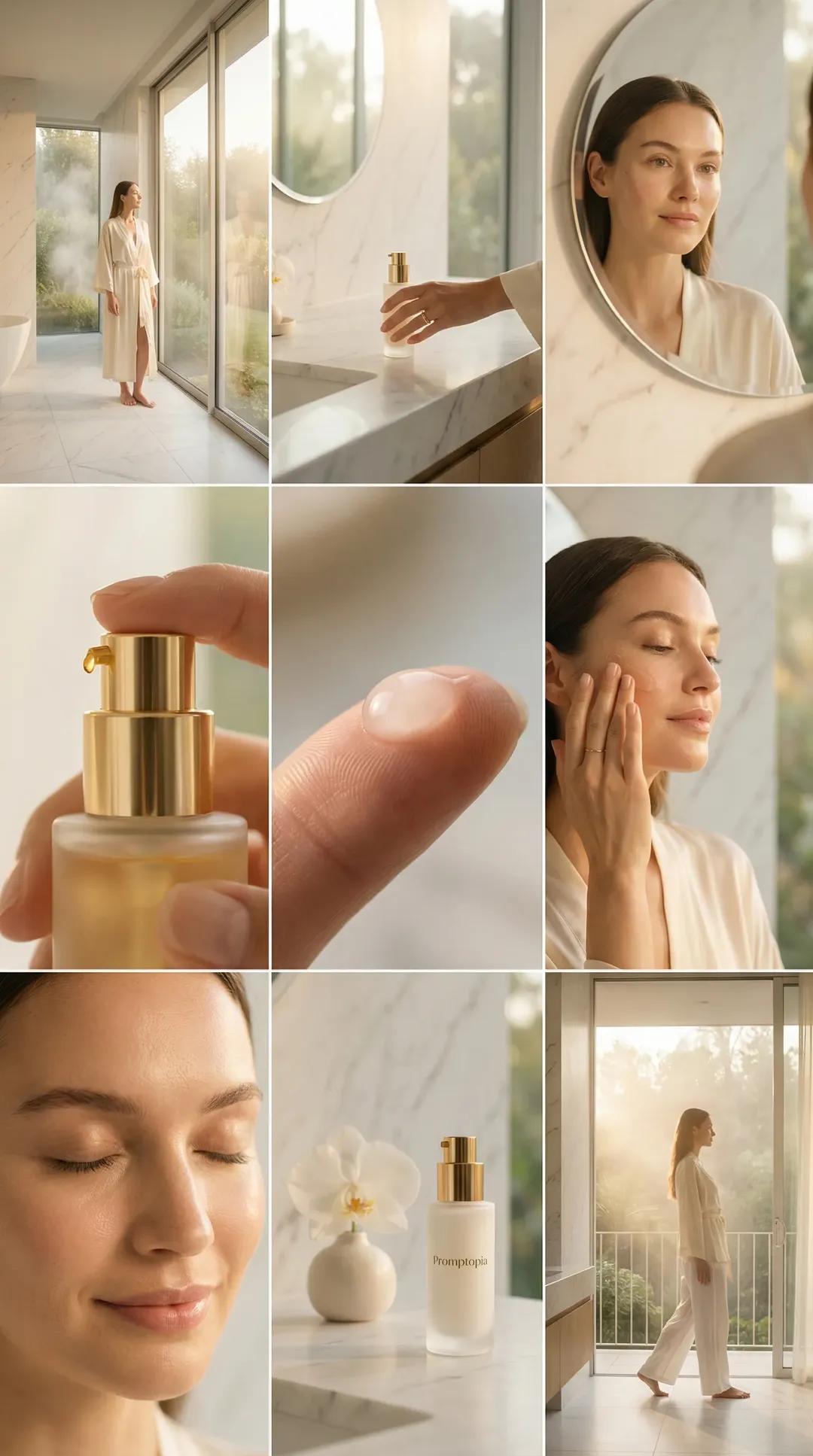
Image template
Featured
Promptopia Serum Bathroom Nine-Shot Collage
No ratings yet
Ecommerce Product Images
Product
Product Scene
Ratings and feedback
No ratings yet
Please sign in first