![[Character Name] reconstructed from curled square paper fragments with handwritten notes on a [Color] concrete wall](https://kyeo.ai/uploads/templates/character-name-paper-collage-portrait/character-name-paper-collage-portrait-preview.jpg)
Image template
Free to view, copy, and apply; generation uses credits
Featured
[Character Name] Paper-Collage Portrait
Start with the recommended models, use cases, and steps, then decide how to apply the template directly.
Official template1 views
Posters and Covers
Portrait Photography
Campaign Poster
Typography Layout
Social Post
Brand Key Visual
Collage
Person
Template type
Image template
Usage access
Free to view, copy, and apply; generation uses credits
Created
06/15/2026
Rating
No ratings yet
Template overview
These templates work best when you keep the visual structure, then replace the subject, style, or commercial goal. Start with Ideogram V3, then switch to a similar alternative based on the result.
Recommended models
If you are unsure which model to use first, start with one of the author's recommendations.
Ideogram V3
Nano Banana 2
Nano Banana Pro
Prompt
Start with the recommended models, use cases, and steps, then decide how to apply the template directly.
Create a minimalist cinematic colored poster featuring a portrait of [Character Name] from the shoulders to the top of the head. Reconstruct the face from a small number of large square-cut paper fragments arranged in a simple grid of approximately [around 4x5 or 5x6 pieces]. Place one misaligned section of the face on each fragment so the pieces reassemble into the portrait together. DIMENSIONAL FACE GRID Do not make the internal paper fragments that form the face completely flat. Give many of them slightly curled edges and lifted corners that cast tiny realistic shadows, making them look like dimensional paper pieces pinned to the wall. HANDWRITING & NOTES Add subtle black handwritten [text1, text2, text3, text4] to 4 squares, written directly on the skin/image. Randomly scatter several [Sticky Note Color] sticky notes around the central grid on a [Color] wall, without limiting them to the four corners. Write handwritten [External Text Content, e.g., iconic quotes] on the notes. COMPOSITION & FINISH Keep the overall layout slightly irregular, with visible gaps between the paper pieces revealing the [Color] concrete wall background. Use realistic paper texture and high-end studio lighting. Render the lifted edges, ink, and paper grain in sharp detail.
How to use it
Following this sequence usually produces a usable result faster than copying the prompt without a plan.
1
Start with a recommended model
If you do not have a preference, starting with Ideogram V3 is usually a reliable choice.
2
Keep the structure, replace the details
Preserve composition, lighting, materials, and style, then replace the subject, brand information, and use case.
3
Compare at least 2 or 3 results
Image templates are most valuable when they speed up iteration, so do not judge the direction from a single result.
Template details
Quickly decide whether this template fits your current task.
Template type
Image template
Usage access
Free to view, copy, and apply; generation uses credits
Created
06/15/2026
Rating
No ratings yet
Best for
This template works especially well for the following tasks.
Posters and covers
Useful for event graphics, social covers, campaign posters, and key visuals.
Product and brand images
Useful for ecommerce main images, brand visuals, and product variations.
Character and style exploration
Create samples for characters, illustrations, scenes, and style directions.
Recommended models
If you are unsure which model to use first, start with one of the author's recommendations.
Ideogram V3
IMAGE
These templates work best when you keep the visual structure, then replace the subject, style, or commercial goal. Start with Ideogram V3, then switch to a similar alternative based on the result.
Nano Banana 2
IMAGE
These templates work best when you keep the visual structure, then replace the subject, style, or commercial goal. Start with Ideogram V3, then switch to a similar alternative based on the result.
Nano Banana Pro
IMAGE
These templates work best when you keep the visual structure, then replace the subject, style, or commercial goal. Start with Ideogram V3, then switch to a similar alternative based on the result.
Related templates
Compare templates of the same type to find the prompt direction that fits you best.
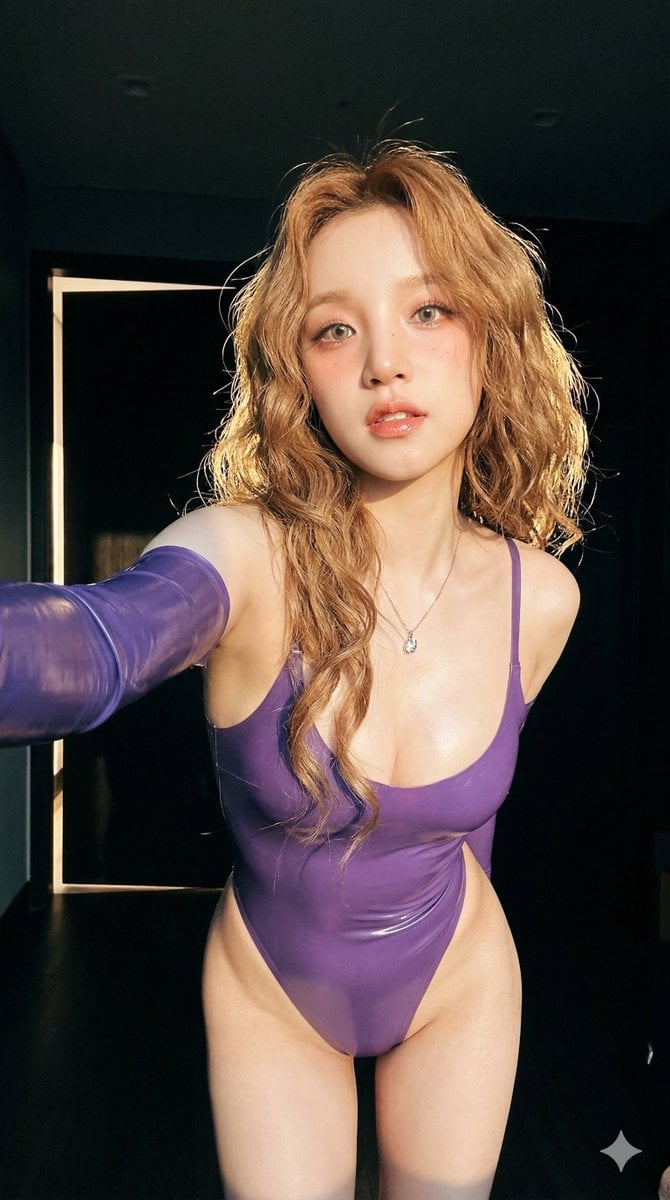
Image template
Featured
(G)I-DLE Yuqi Golden-Light Fashion Selfie
No ratings yet
Scene Photography
Realistic Photography
Cinematic
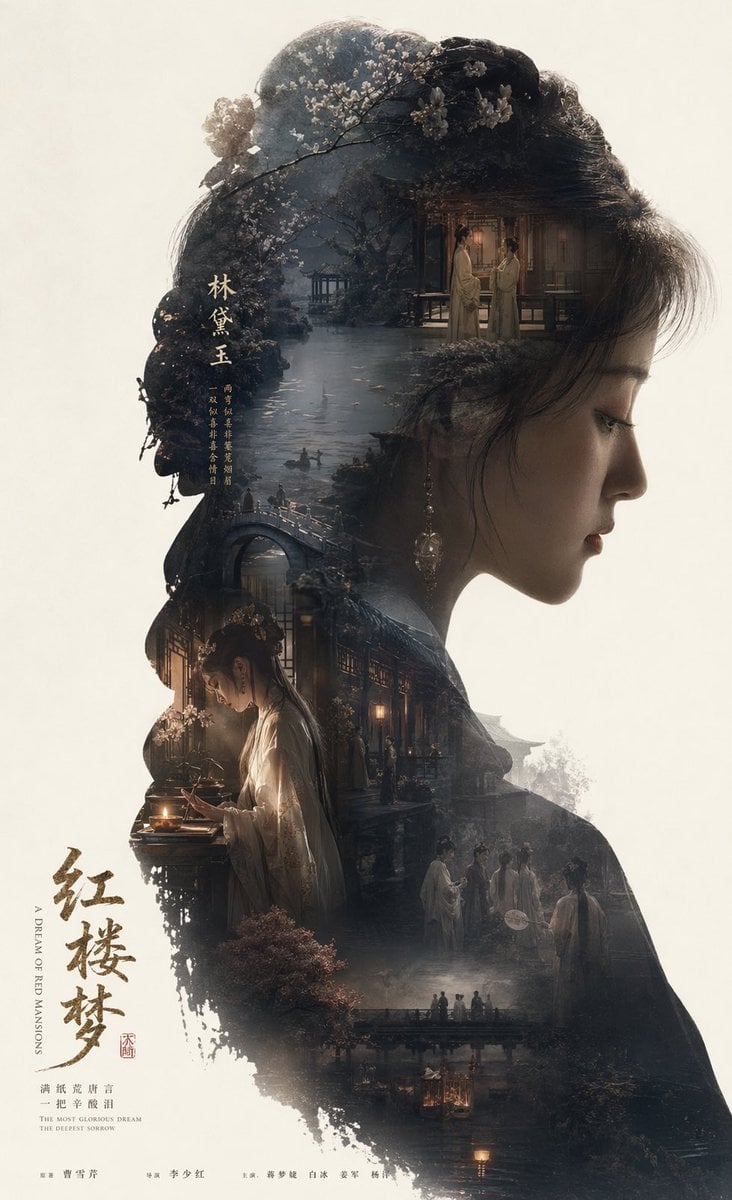
Image template
Featured
Dream of the Red Chamber: Lin Daiyu Silhouette Story Poster
No ratings yet
Posters and Covers
Campaign Poster
Typography Layout
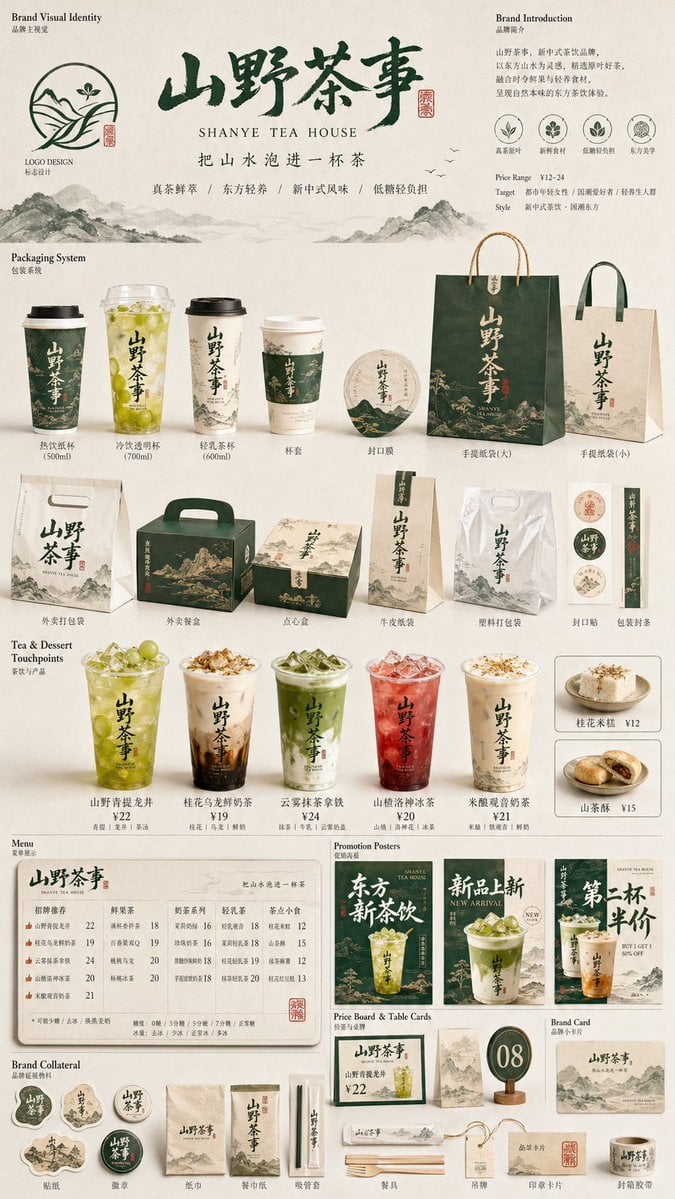
Image template
Featured
Restaurant Brand Touchpoint Matrix
No ratings yet
Posters and Covers
Campaign Poster
Typography Layout
Ratings and feedback
No ratings yet
Please sign in first