
Image template
Free to view, copy, and apply; generation uses credits
Featured
[INPUT TEXT] Exhibition-Grade Concept Poster
Start with the recommended models, use cases, and steps, then decide how to apply the template directly.
Official template0 views
Posters and Covers
Brand and Packaging
Campaign Poster
Typography Layout
Social Post
Brand Key Visual
Collage
Person
Template type
Image template
Usage access
Free to view, copy, and apply; generation uses credits
Created
06/15/2026
Rating
No ratings yet
Template overview
These templates work best when you keep the visual structure, then replace the subject, style, or commercial goal. Start with Ideogram V3, then switch to a similar alternative based on the result.
Recommended models
If you are unsure which model to use first, start with one of the author's recommendations.
Ideogram V3
GPT Image 2
GPT Image 1.5
Prompt
Start with the recommended models, use cases, and steps, then decide how to apply the template directly.
Create a premium concept poster in a vertical 3:4 format, centered on [INPUT TEXT]. Before generating, interpret the surface meaning, deeper implications, emotional character, cultural associations, sense of personal destiny, and latent tension of “[INPUT TEXT].” Then determine the visual style, composition, color, and visual metaphor that fit it best. Derive the style automatically from the meaning rather than applying a uniform template; every term must receive a visual language aligned with its own substance. Make the giant Chinese main title “[INPUT TEXT]” the absolute subject. Keep every character clear and complete, with no misspellings or missing strokes. Let it occupy most of the poster and form the first visual impression. Do not create an ordinary illustration or merely depict a person's appearance. Distill one precise, highly representative visual metaphor. Connect the figures, objects, space, or symbolic elements to the large title so viewers immediately understand why the term is expressed in this way. Keep the overall mood premium, minimalist, restrained, and exhibition-grade, with strong typography, metaphor, emotion, and memorability. Depending on the meaning, automatically choose a cold, poetic, tragic, sharp, gentle, or solemn direction. Adapt the colors to the meaning while maintaining refinement and restraint. Keep small text in only three places: two to four keywords in the upper-left corner, one vertically set destiny-charged short line on the right, and one memorable summary line in the lower-left corner. Set the visual hierarchy as text first, metaphorical image second, and small copy third. Avoid crowding, a cheap advertising feel, unnecessary English, and long explanatory copy. The final result should resemble an exhibition-grade poster for a literary character or conceptual theme, genuinely visualizing the state of mind and cultural meaning behind “【INPUT TEXT】.”
How to use it
Following this sequence usually produces a usable result faster than copying the prompt without a plan.
1
Start with a recommended model
If you do not have a preference, starting with Ideogram V3 is usually a reliable choice.
2
Keep the structure, replace the details
Preserve composition, lighting, materials, and style, then replace the subject, brand information, and use case.
3
Compare at least 2 or 3 results
Image templates are most valuable when they speed up iteration, so do not judge the direction from a single result.
Template details
Quickly decide whether this template fits your current task.
Template type
Image template
Usage access
Free to view, copy, and apply; generation uses credits
Created
06/15/2026
Rating
No ratings yet
Best for
This template works especially well for the following tasks.
Posters and covers
Useful for event graphics, social covers, campaign posters, and key visuals.
Product and brand images
Useful for ecommerce main images, brand visuals, and product variations.
Character and style exploration
Create samples for characters, illustrations, scenes, and style directions.
Recommended models
If you are unsure which model to use first, start with one of the author's recommendations.
Ideogram V3
IMAGE
These templates work best when you keep the visual structure, then replace the subject, style, or commercial goal. Start with Ideogram V3, then switch to a similar alternative based on the result.
GPT Image 2
IMAGE
These templates work best when you keep the visual structure, then replace the subject, style, or commercial goal. Start with Ideogram V3, then switch to a similar alternative based on the result.
GPT Image 1.5
IMAGE
These templates work best when you keep the visual structure, then replace the subject, style, or commercial goal. Start with Ideogram V3, then switch to a similar alternative based on the result.
Related templates
Compare templates of the same type to find the prompt direction that fits you best.
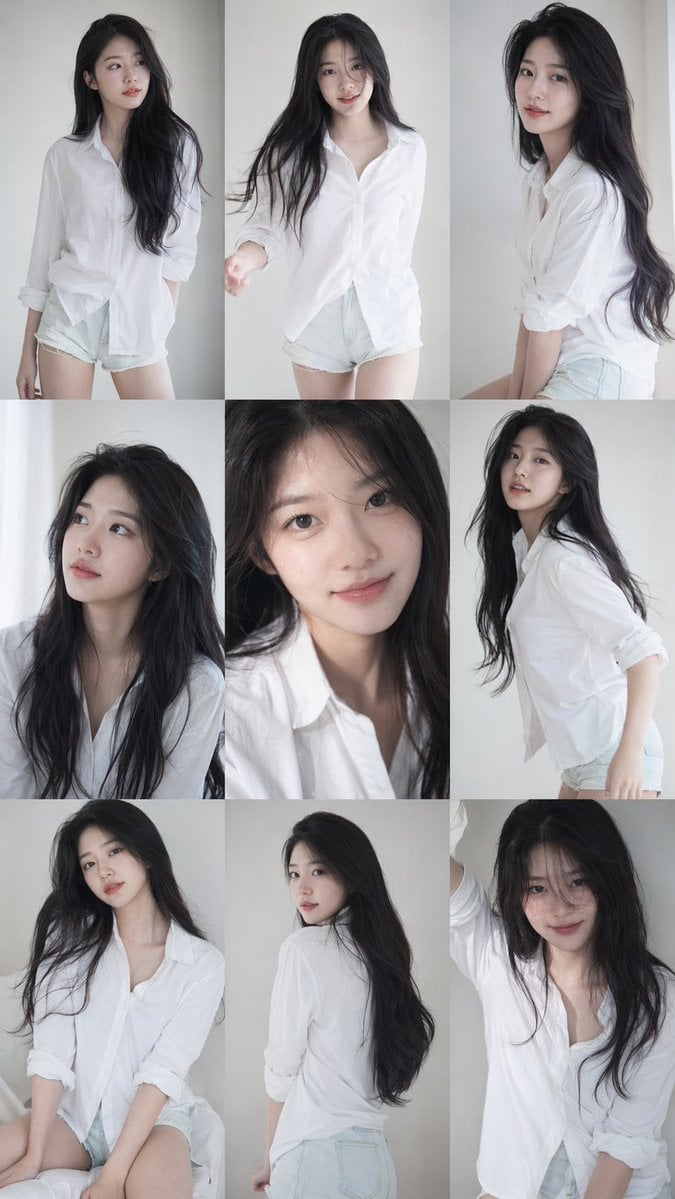
Image template
Featured
K-Pop Idol Nine-Panel Portrait Grid
No ratings yet
Portrait Photography
Realistic Photography
Cinematic

Image template
Featured
Japanese Negative-Film Rooftop Summer Portrait
No ratings yet
Portrait Photography
Realistic Photography
Cinematic
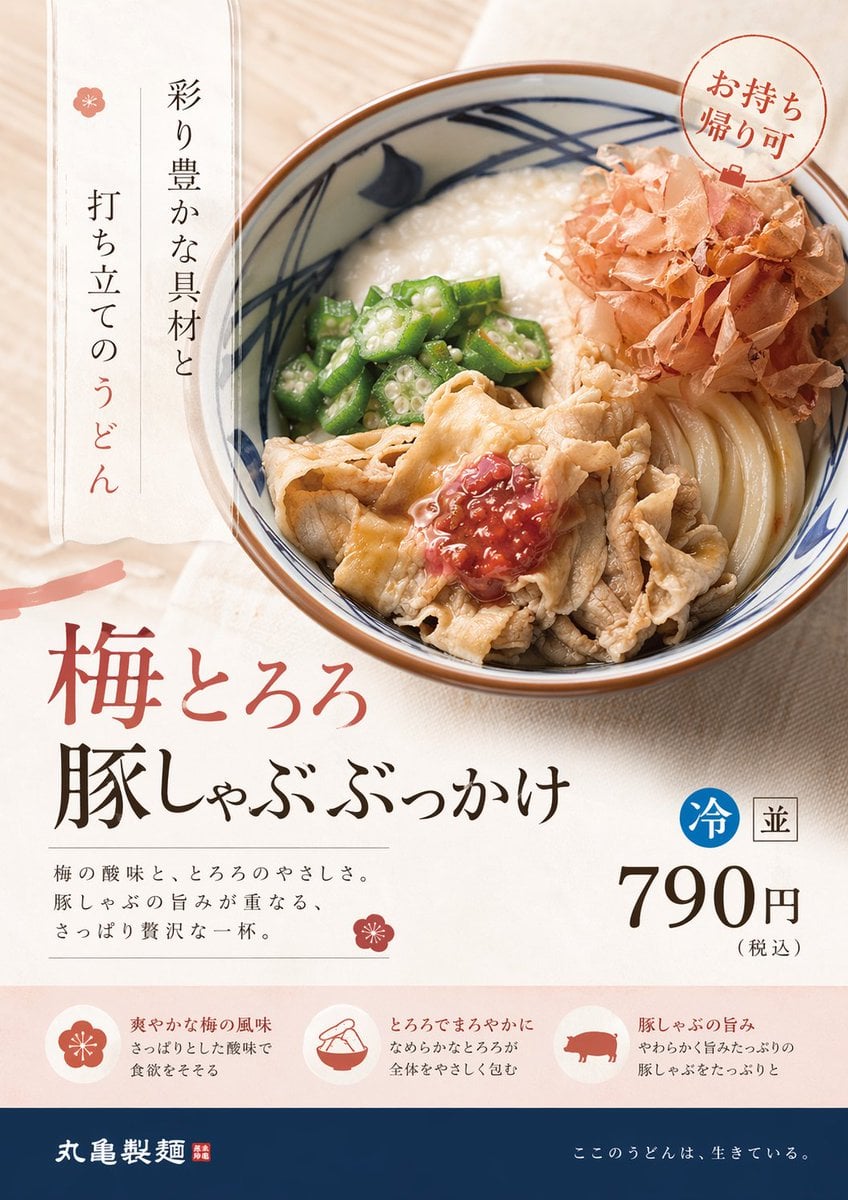
Image template
Featured
On-Trend Product Advertisement Redesign
No ratings yet
Ecommerce Product Images
Food
Drink
Ratings and feedback
No ratings yet
Please sign in first