Image template
Free to view, copy, and apply; generation uses credits
Featured
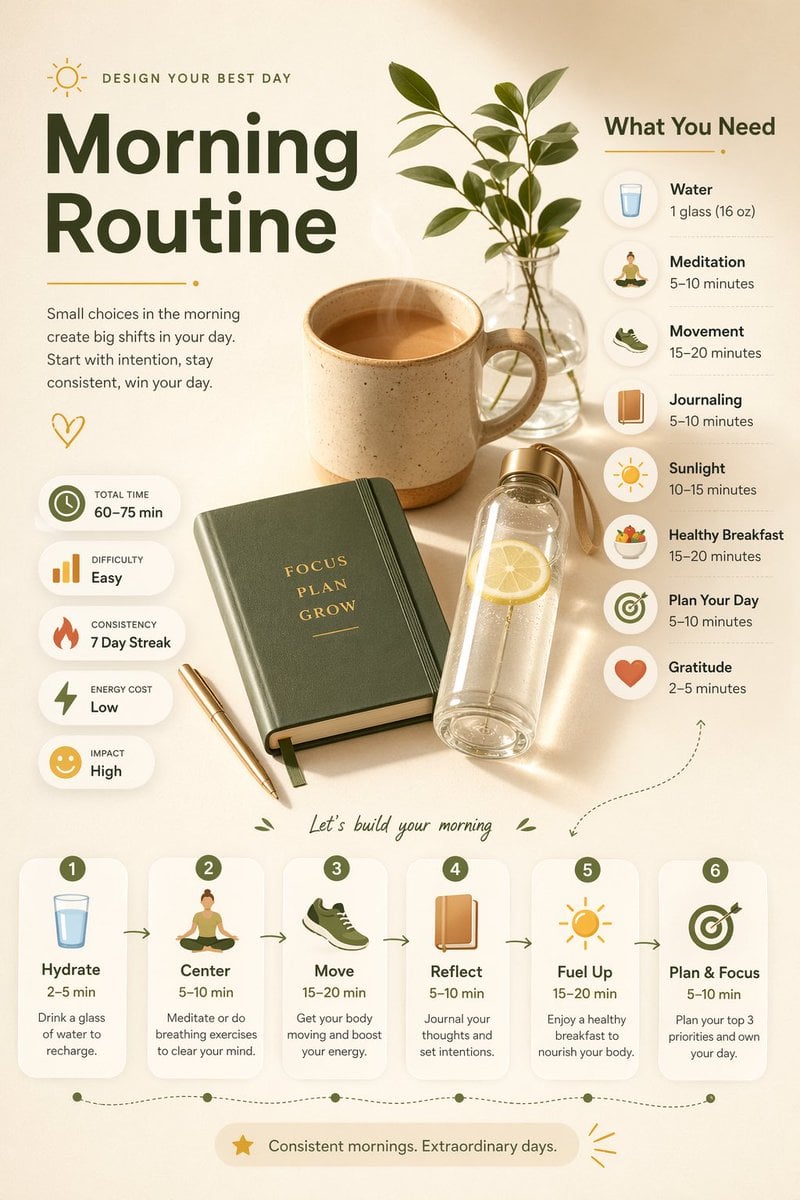
[ROUTINE] Lifestyle Infographic
Start with the recommended models, use cases, and steps, then decide how to apply the template directly.
Official template0 views
Posters and Covers
Social Content
Campaign Poster
Typography Layout
Social Post
Brand Key Visual
Collage
Infographic
Template type
Image template
Usage access
Free to view, copy, and apply; generation uses credits
Created
06/15/2026
Rating
No ratings yet
Template overview
These templates work best when you keep the visual structure, then replace the subject, style, or commercial goal. Start with Ideogram V3, then switch to a similar alternative based on the result.
Recommended models
If you are unsure which model to use first, start with one of the author's recommendations.
Ideogram V3
GPT Image 2
GPT Image 1.5
Prompt
Start with the recommended models, use cases, and steps, then decide how to apply the template directly.
Create an ultra-clean modern editorial infographic centered on the [ROUTINE] routine. Build the hero visual from 3-4 objects closely associated with the routine. Present them in a stylized flat lay or floating arrangement with a slight angle or gentle perspective, and let a subtle glow radiate from the center. Avoid a rigid layout; arrange all elements dynamically around the hero visual in an open editorial composition. Ingredients Section: Fix the heading as ‘What You Need’. Include 6-8 items, each paired with a small icon or emoji illustration and a practical recipe-like quantity or duration, such as ‘x minutes of Y’. Connect this content to the hero visual as a list or cluster. Steps Section: Use 5-6 numbered panels linked by arrows or connecting lines to form a logical sequence. Give each step a short action label and a related small icon. Style the panels with glassmorphism or frosted-card effects. Stats Badges: Add 4-5 floating pill-shaped badges showing metadata such as total time, difficulty, consistency streak, and energy cost. Use a warm, soft editorial background in cream, warm white, or soft morning-light tones. Add muted earthy accent colors, clean highlights, bold modern sans-serif typography, clean vector icons, and subtle grain or paper texture. Keep the composition airy and readable. Place the hero-object cluster in the center or slightly off-center, position the ingredients on one side, let the steps flow along the other side or below, and scatter the stat badges around them like small bubbles. The light should feel like soft natural morning light radiating from the hero visual. Finish with a premium lifestyle-editorial aesthetic suited to a social feed, ultra-crisp detail, and no watermark.
How to use it
Following this sequence usually produces a usable result faster than copying the prompt without a plan.
1
Start with a recommended model
If you do not have a preference, starting with Ideogram V3 is usually a reliable choice.
2
Keep the structure, replace the details
Preserve composition, lighting, materials, and style, then replace the subject, brand information, and use case.
3
Compare at least 2 or 3 results
Image templates are most valuable when they speed up iteration, so do not judge the direction from a single result.
Template details
Quickly decide whether this template fits your current task.
Template type
Image template
Usage access
Free to view, copy, and apply; generation uses credits
Created
06/15/2026
Rating
No ratings yet
Best for
This template works especially well for the following tasks.
Posters and covers
Useful for event graphics, social covers, campaign posters, and key visuals.
Product and brand images
Useful for ecommerce main images, brand visuals, and product variations.
Character and style exploration
Create samples for characters, illustrations, scenes, and style directions.
Recommended models
If you are unsure which model to use first, start with one of the author's recommendations.
Ideogram V3
IMAGE
These templates work best when you keep the visual structure, then replace the subject, style, or commercial goal. Start with Ideogram V3, then switch to a similar alternative based on the result.
GPT Image 2
IMAGE
These templates work best when you keep the visual structure, then replace the subject, style, or commercial goal. Start with Ideogram V3, then switch to a similar alternative based on the result.
GPT Image 1.5
IMAGE
These templates work best when you keep the visual structure, then replace the subject, style, or commercial goal. Start with Ideogram V3, then switch to a similar alternative based on the result.
Related templates
Compare templates of the same type to find the prompt direction that fits you best.
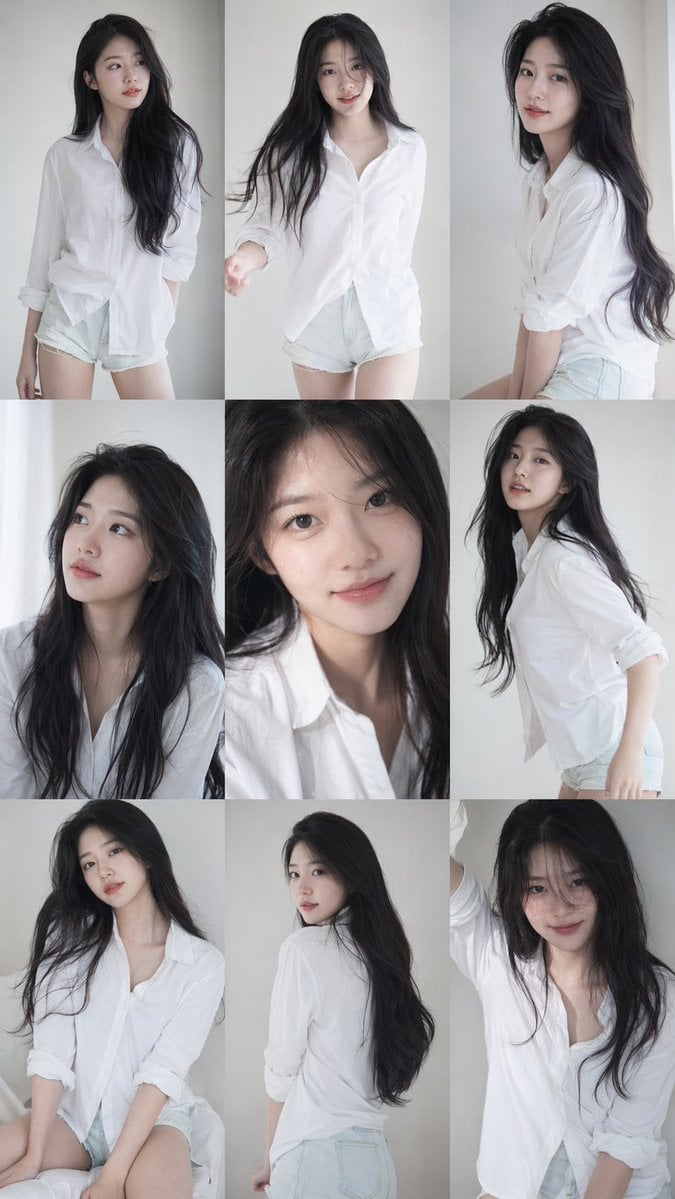
Image template
Featured
K-Pop Idol Nine-Panel Portrait Grid
No ratings yet
Portrait Photography
Realistic Photography
Cinematic
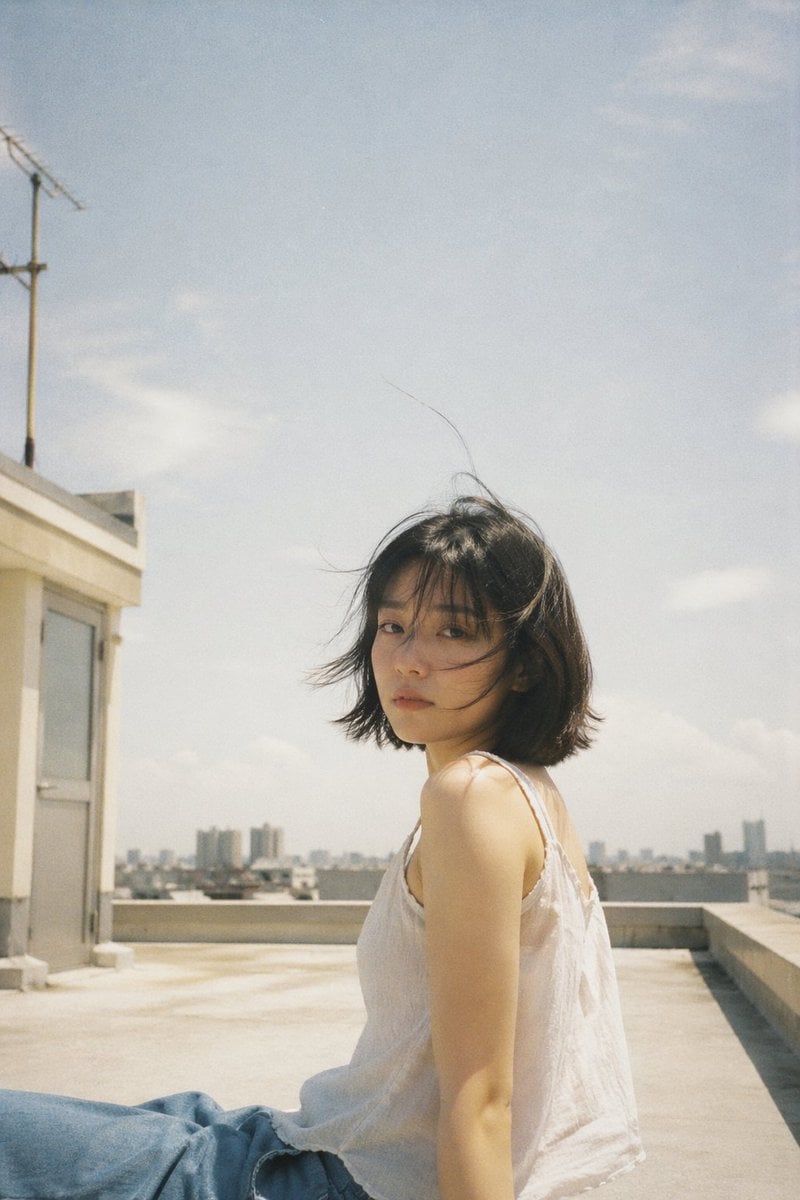
Image template
Featured
Japanese Negative-Film Rooftop Summer Portrait
No ratings yet
Portrait Photography
Realistic Photography
Cinematic
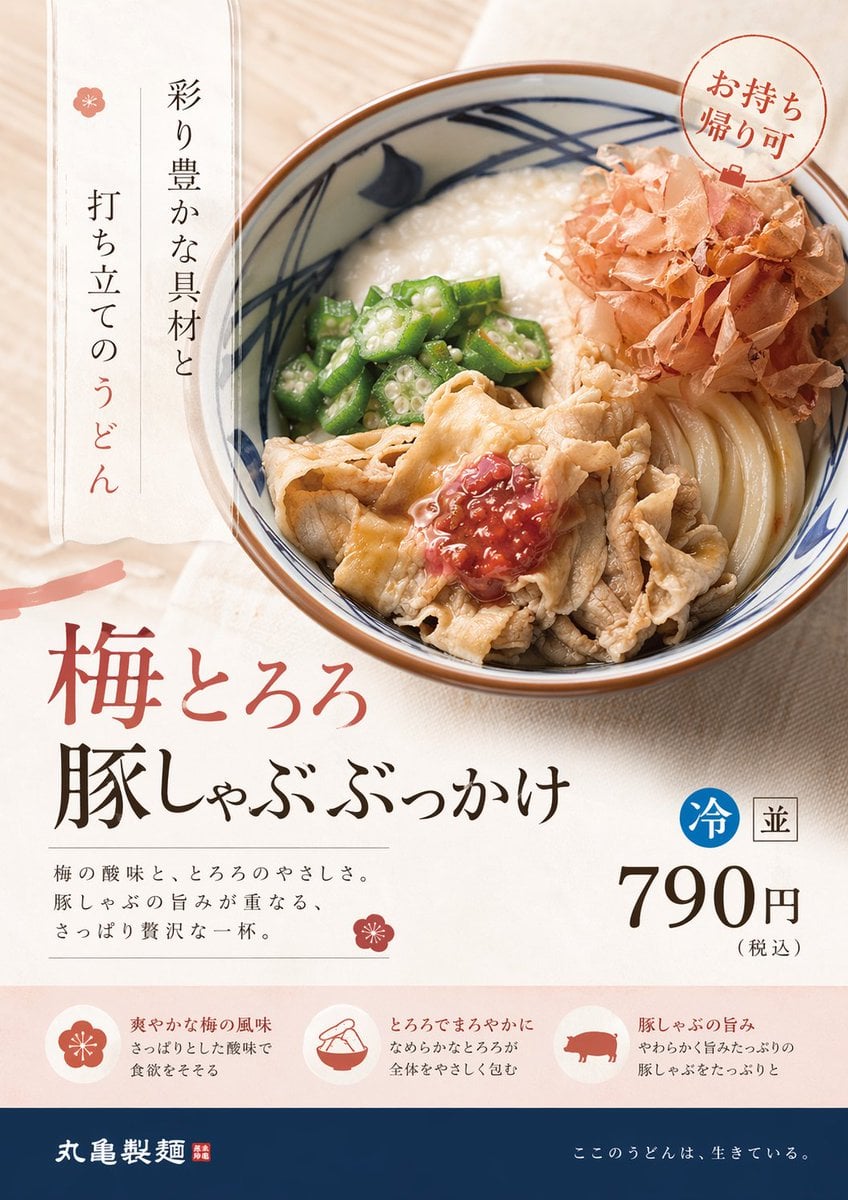
Image template
Featured
On-Trend Product Advertisement Redesign
No ratings yet
Ecommerce Product Images
Food
Drink
Ratings and feedback
No ratings yet
Please sign in first