Image template
Free to view, copy, and apply; generation uses credits
Featured
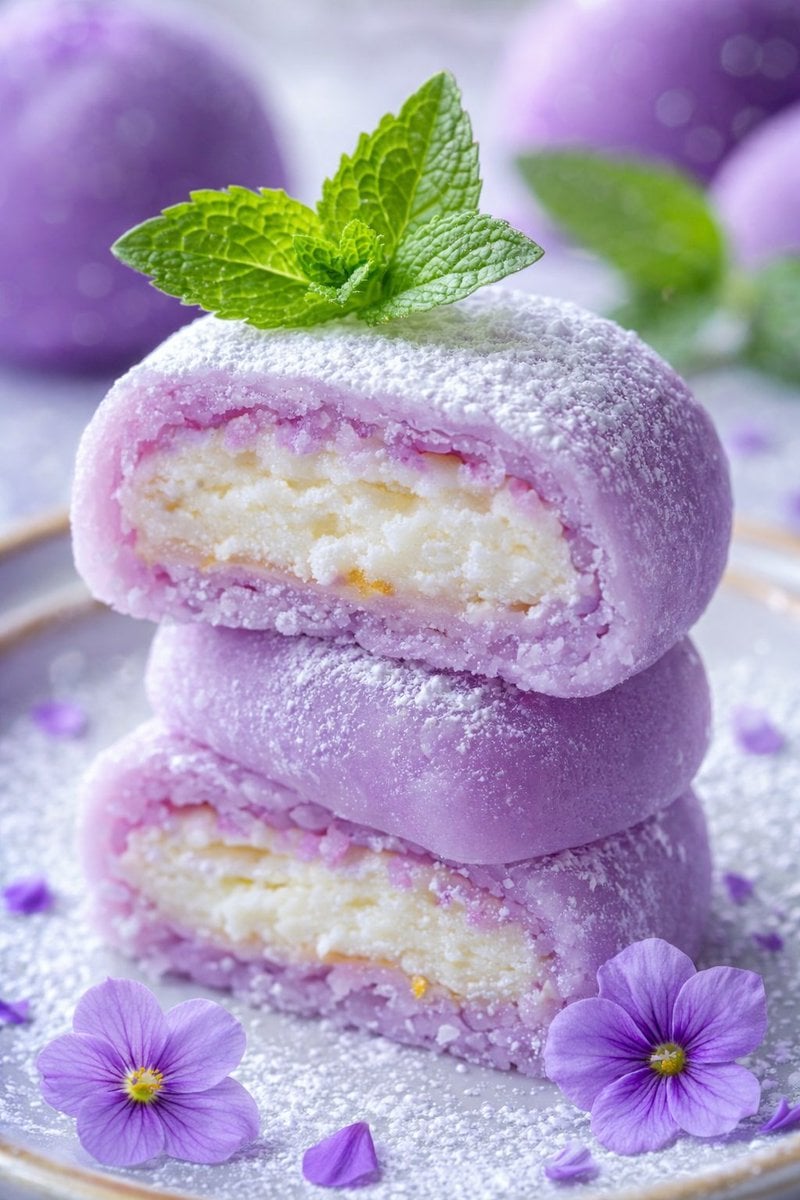
Two Refined Cakes in Macro Photography
Start with the recommended models, use cases, and steps, then decide how to apply the template directly.
Official template0 views
Food and Drink
Portrait Photography
Food
Drink
Menu Creative
Product Scene
Packaging Display
Macro
Template type
Image template
Usage access
Free to view, copy, and apply; generation uses credits
Created
06/15/2026
Rating
No ratings yet
Template overview
These templates work best when you keep the visual structure, then replace the subject, style, or commercial goal. Start with Google Imagen4, then switch to a similar alternative based on the result.
Recommended models
If you are unsure which model to use first, start with one of the author's recommendations.
Google Imagen4
GPT Image 2
GPT Image 1.5
Prompt
Start with the recommended models, use cases, and steps, then decide how to apply the template directly.
Create premium dessert photography in 8K UHD with the finish of AI-edited, hyper-realistic food photography. Require ultra-high quality, extreme micro-detail, lossless clean output, studio-controlled cinematic lighting, and selective shallow depth of field. Maximize texture emphasis across the cake, frosting, jam, and powder on the plate. Use a full-frame DSLR / mirrorless equivalent with a macro prime lens, 85mm–105mm, f/2.8, low ISO, a studio-synchronized shutter, and neutral image-matched white balance. Module 1 — square matcha cheesecake slice: Use portrait orientation and a three-quarter front view. Center the slice on a dark ceramic plate with a tight, food-focused crop. Build the cake from a glossy matcha glaze with visible drip trails, a smooth pale-green cheesecake body, and a thin golden biscuit crust. Show reflective matcha glaze dripping slowly down the surface, matcha powder dusted over the top and plate, and fine crumbs near the base. Top it with a round green confection, fresh mint leaves, and a single raspberry. Add another raspberry, mint leaves, and matcha powder to the plate. Use a dark charcoal / black background with a blurred black bowl containing green sauce. Bring soft light from the upper left and create strong specular highlights on the glaze. The mood should feel luxurious, modern, minimal, and gourmet. Module 2 — blue and white layered cake slice: Use portrait orientation and a slightly elevated front angle. Place the slice on a white decorative plate. Build it from soft white sponge layers, translucent blue jelly layers with sparkle, and a smooth pastel-blue glaze. Add a single vertical glossy-blue drip down the front, tiny reflective particles within the jelly, and glass-like blue spheres on top. Decorate it with a dark glossy cherry on a long stem, three transparent blue spheres, and tiny star-shaped sprinkles. Add subtle sugar-like sparkles to the plate. Use a light icy-blue background with soft bokeh dots and a partially visible white ribbon. Emphasize the glass reflections with soft frontal light and even fill. The mood should feel dreamy, delicate, whimsical, and clean.
How to use it
Following this sequence usually produces a usable result faster than copying the prompt without a plan.
1
Start with a recommended model
If you do not have a preference, starting with Google Imagen4 is usually a reliable choice.
2
Keep the structure, replace the details
Preserve composition, lighting, materials, and style, then replace the subject, brand information, and use case.
3
Compare at least 2 or 3 results
Image templates are most valuable when they speed up iteration, so do not judge the direction from a single result.
Template details
Quickly decide whether this template fits your current task.
Template type
Image template
Usage access
Free to view, copy, and apply; generation uses credits
Created
06/15/2026
Rating
No ratings yet
Best for
This template works especially well for the following tasks.
Posters and covers
Useful for event graphics, social covers, campaign posters, and key visuals.
Product and brand images
Useful for ecommerce main images, brand visuals, and product variations.
Character and style exploration
Create samples for characters, illustrations, scenes, and style directions.
Recommended models
If you are unsure which model to use first, start with one of the author's recommendations.
Google Imagen4
IMAGE
These templates work best when you keep the visual structure, then replace the subject, style, or commercial goal. Start with Google Imagen4, then switch to a similar alternative based on the result.
GPT Image 2
IMAGE
These templates work best when you keep the visual structure, then replace the subject, style, or commercial goal. Start with Google Imagen4, then switch to a similar alternative based on the result.
GPT Image 1.5
IMAGE
These templates work best when you keep the visual structure, then replace the subject, style, or commercial goal. Start with Google Imagen4, then switch to a similar alternative based on the result.
Related templates
Compare templates of the same type to find the prompt direction that fits you best.
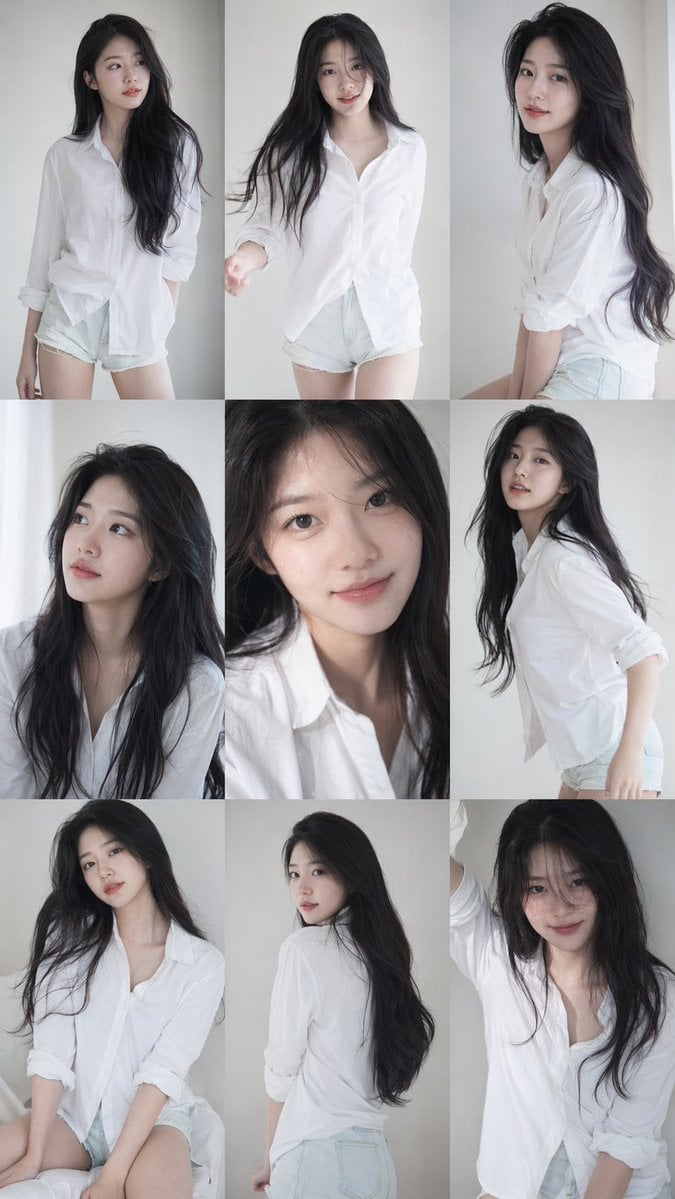
Image template
Featured
K-Pop Idol Nine-Panel Portrait Grid
No ratings yet
Portrait Photography
Realistic Photography
Cinematic
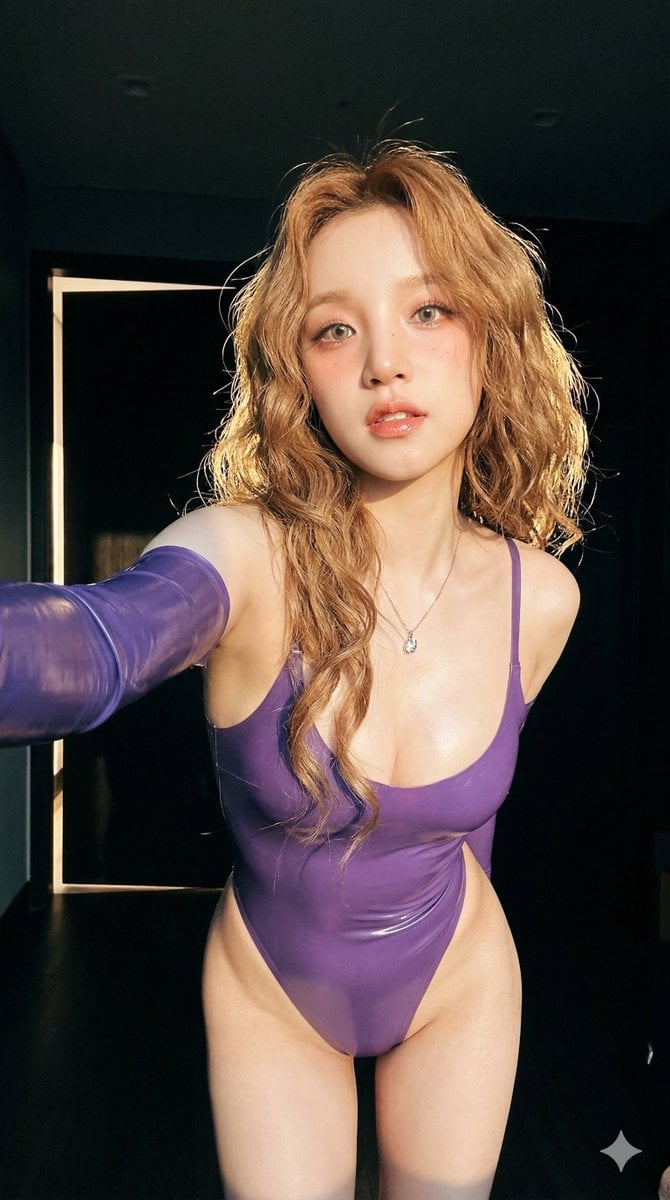
Image template
Featured
(G)I-DLE Yuqi Golden-Light Fashion Selfie
No ratings yet
Scene Photography
Realistic Photography
Cinematic
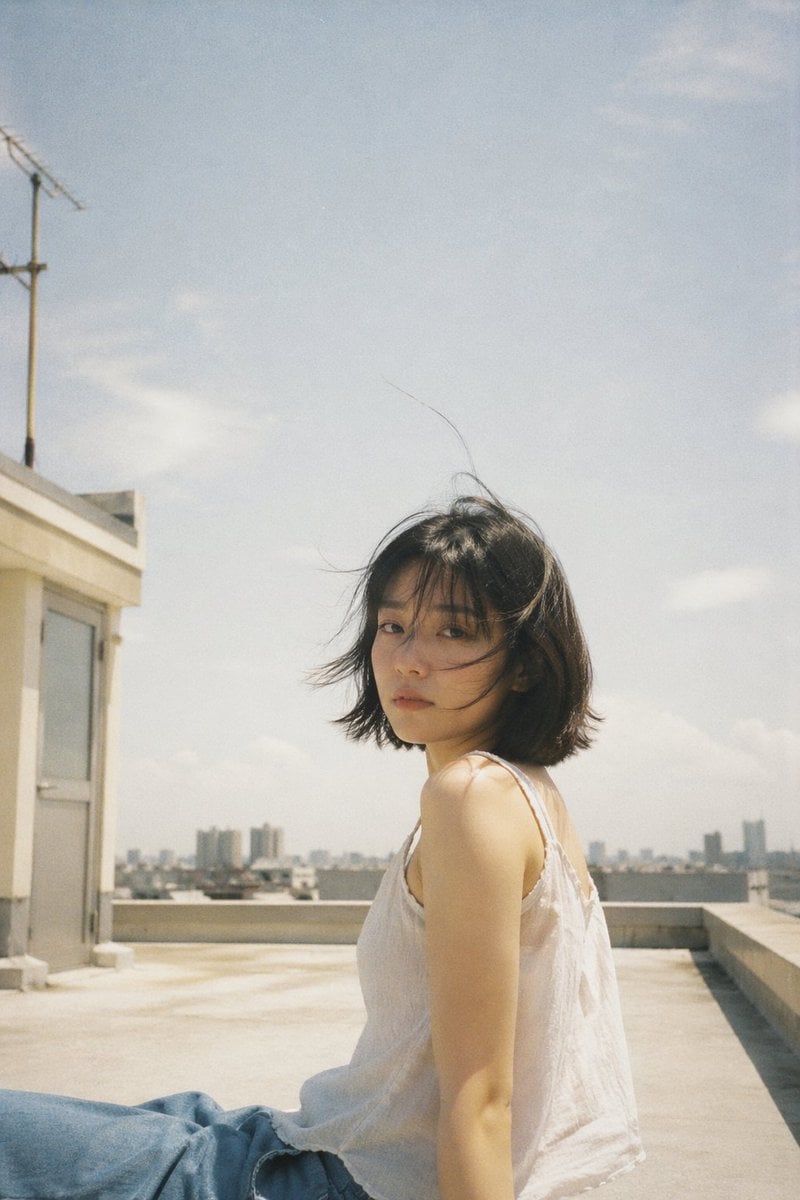
Image template
Featured
Japanese Negative-Film Rooftop Summer Portrait
No ratings yet
Portrait Photography
Realistic Photography
Cinematic
Ratings and feedback
No ratings yet
Please sign in first