![Engineering annotation infographic of [washing machine] on white, combining a clearly visible photoreal object with black component labels, cutaway outlines, dimensions, material notes, schematics, and functional flow arrows](https://kyeo.ai/uploads/templates/washing-machine-engineering-annotation-infographic/washing-machine-engineering-annotation-infographic-preview.jpg)
Image template
Free to view, copy, and apply; generation uses credits
Featured
[washing machine] Engineering Annotation Infographic
Start with the recommended models, use cases, and steps, then decide how to apply the template directly.
Official template0 views
Infographics and Diagrams
Social Content
Infographic
Typography Layout
Logo Inspiration
Social Post
Minimal
Product
Template type
Image template
Usage access
Free to view, copy, and apply; generation uses credits
Created
06/15/2026
Rating
No ratings yet
Template overview
These templates work best when you keep the visual structure, then replace the subject, style, or commercial goal. Start with Ideogram V3, then switch to a similar alternative based on the result.
Recommended models
If you are unsure which model to use first, start with one of the author's recommendations.
Ideogram V3
GPT Image 2
GPT Image 1.5
Prompt
Start with the recommended models, use cases, and steps, then decide how to apply the template directly.
Create an infographic image of [washing machine] by overlaying technical annotations directly on a realistic photograph or photorealistic render of the object. Use a pure-white studio background, with black ink-style line drawings and text that resemble technical pen work or an architectural sketch. Include labels for key components; internal cutaway or exploded-view outlines; measurements, dimensions, and scale markers; material callouts and quantities; arrows indicating function, force, or flow for air, sound, power, and pressure; and relevant simple schematics or sectional diagrams. Place a hand-drawn technical annotation box in one corner with the title [PRODUCT]. Style Rules: Keep the real object clearly visible beneath the annotations. Make the annotations feel sketched, technical, and architectural. Maintain a clean composition with balanced negative space, resembling an educational museum exhibit or engineering manual. Use a minimal technical-illustration aesthetic: black linework over realistic imagery, precise yet slightly hand-drawn. Use only a white background and black annotation lines and text—no colors. Output at 1080×1080 with ultra-crisp, social-feed-optimized detail and no watermark.
How to use it
Following this sequence usually produces a usable result faster than copying the prompt without a plan.
1
Start with a recommended model
If you do not have a preference, starting with Ideogram V3 is usually a reliable choice.
2
Keep the structure, replace the details
Preserve composition, lighting, materials, and style, then replace the subject, brand information, and use case.
3
Compare at least 2 or 3 results
Image templates are most valuable when they speed up iteration, so do not judge the direction from a single result.
Template details
Quickly decide whether this template fits your current task.
Template type
Image template
Usage access
Free to view, copy, and apply; generation uses credits
Created
06/15/2026
Rating
No ratings yet
Best for
This template works especially well for the following tasks.
Posters and covers
Useful for event graphics, social covers, campaign posters, and key visuals.
Product and brand images
Useful for ecommerce main images, brand visuals, and product variations.
Character and style exploration
Create samples for characters, illustrations, scenes, and style directions.
Recommended models
If you are unsure which model to use first, start with one of the author's recommendations.
Ideogram V3
IMAGE
These templates work best when you keep the visual structure, then replace the subject, style, or commercial goal. Start with Ideogram V3, then switch to a similar alternative based on the result.
GPT Image 2
IMAGE
These templates work best when you keep the visual structure, then replace the subject, style, or commercial goal. Start with Ideogram V3, then switch to a similar alternative based on the result.
GPT Image 1.5
IMAGE
These templates work best when you keep the visual structure, then replace the subject, style, or commercial goal. Start with Ideogram V3, then switch to a similar alternative based on the result.
Related templates
Compare templates of the same type to find the prompt direction that fits you best.
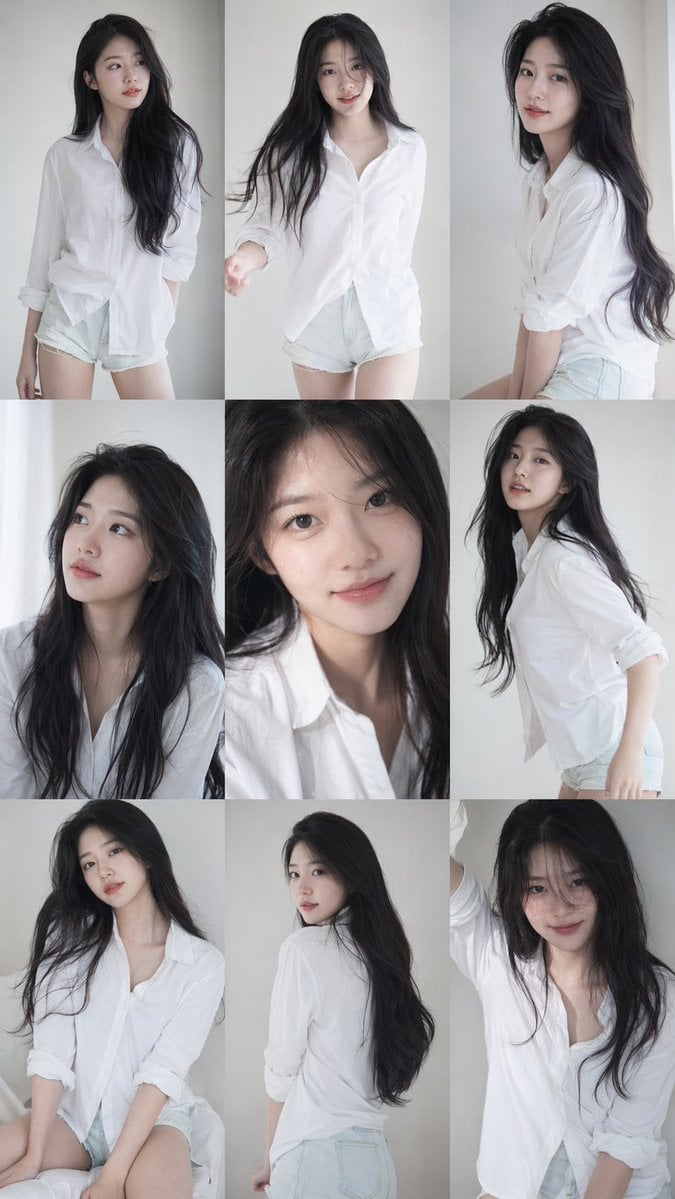
Image template
Featured
K-Pop Idol Nine-Panel Portrait Grid
No ratings yet
Portrait Photography
Realistic Photography
Cinematic

Image template
Featured
Japanese Negative-Film Rooftop Summer Portrait
No ratings yet
Portrait Photography
Realistic Photography
Cinematic
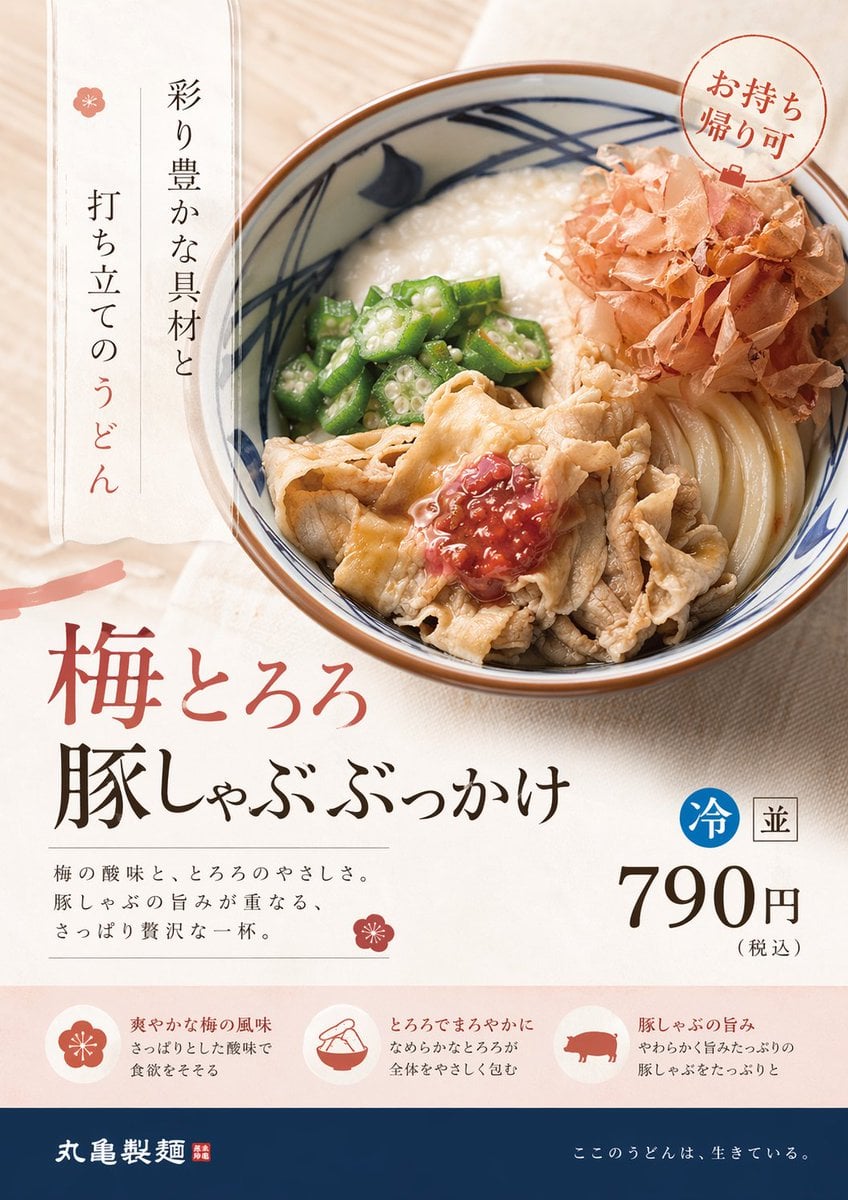
Image template
Featured
On-Trend Product Advertisement Redesign
No ratings yet
Ecommerce Product Images
Food
Drink
Ratings and feedback
No ratings yet
Please sign in first